Category: Blog

  • Growing with Gratitude: My Complicated Relationship with ADHD

    Growing with Gratitude: My Complicated Relationship with ADHD

    Writing this post has been a powerful journey of self-reflection. It has allowed me to delve into the intricate emotions surrounding my experience with ADHD. While it can be a struggle at times, I’ve come to realize that my brain’s unique wiring not only presents challenges but also opens doors to personal growth and empowerment.

    I often find myself wishing that tasks didn’t feel so difficult. Task paralysis can be frustrating, and I realize that I am more productive under pressure. However, this is a chance to learn more about my motivation and how to harness it.

    Today, I’m thrilled to be writing this post ahead of time, with no looming deadlines. I’ve learned that when motivation strikes, it’s crucial to seize that moment and make the most of it. Embracing my journey with ADHD is not just about overcoming challenges, but also about finding new ways to navigate them and grow.

    When Motivation Hits, I’m Grateful

    I’ve come to appreciate the bursts of motivation that life brings. My ADHD can often leave me frozen in anxious anticipation, waiting for pressure or panic to propel me into action. While that feeling of paralysis is challenging, it makes those moments of inspiration even more precious. When motivation arrives, I seize it and run with it. 

    Superpower: Hyperfocus

    One of my greatest strengths is my unwavering commitment once I decide to take on a task. My ability to hyperfocus is awe-inspiring. Whether I’m working with clients, diving deep into research, or exploring a creative vision that inspires me to transform my home with bold colors, I’m all in. 

    This blog is a testament to that hyperfocus. My curiosity about ADHD, my insights on how it influences my life, and my dedication to supporting my clients and their families all stem from that powerful focus.

    Medication, Therapy, and Finding Balance

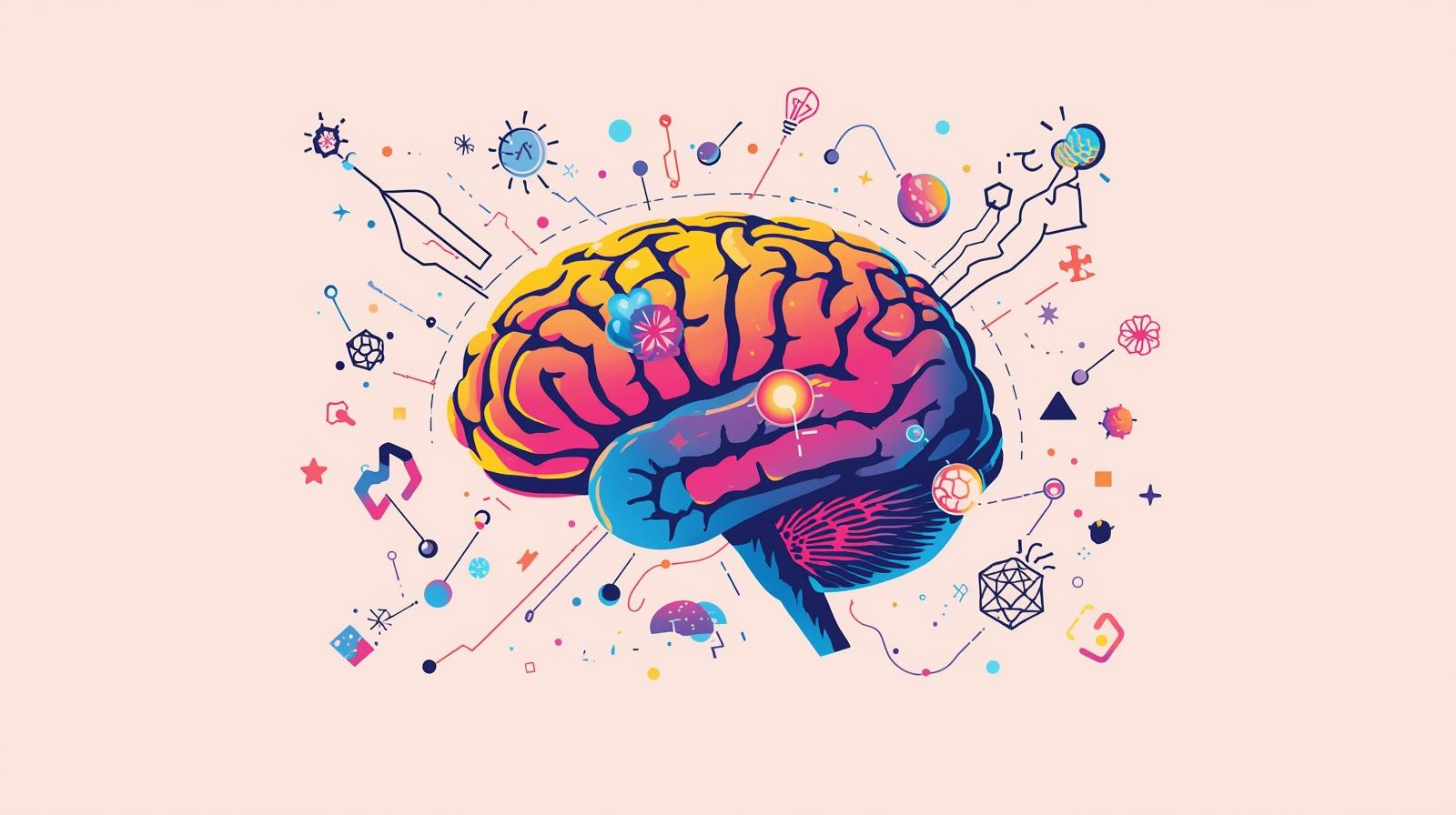
    Some days my thoughts feel like a pinball machine—three balls bouncing, lights flashing, noises everywhere.

    Those days can be rough.

    That’s when I’m most grateful for therapy and medication. Having access to both hasn’t always been easy. Some months, I have to skip therapy. But choosing to prioritize medication was life-changing—my brain quieted down, work became smoother, and I could move instead of freeze.

    If you’re considering treatment, talk with your therapist, psychiatrist, or primary care provider. Make your list of pros and cons. It’s a deeply personal decision—and for me, I’m grateful I made it.

    Learning Through Struggle

    For most of my life, I didn’t realize that I had ADHD, which made my journey through school particularly challenging. I pushed myself relentlessly, fueled by a deep love for learning, all the way to graduate school before finally receiving my diagnosis.

    There were countless times I missed recesses because I had forgotten my homework or misplaced permission slips. Now, I can truly understand the importance of organization; I rely on my calendars—monthly, weekly, and daily—to help me navigate my responsibilities. I highlight deadlines with the utmost urgency, often feeling like my life depends on it (and sometimes, it truly does).

    I am so grateful to that one teacher who encouraged me to write due dates in a planner. That simple skill transformed my approach to academics and has been invaluable ever since. I empathize with anyone facing similar challenges; it can feel overwhelming, but there are ways to manage it and thrive.

    My Love-Hate with Reading

    My relationship with reading has evolved significantly over time. When I’m genuinely interested in a book, I can breeze through it in a day; however, when I’m not engaged, it can feel challenging—retaining information used to be quite tricky for me.

    To overcome these challenges, I developed effective strategies to enhance my learning: highlighting key points, taking notes in the margins, creating outlines, and discussing my readings. This proactive approach has transformed my frustration into a sense of empowerment and growth, for which I am truly grateful.

    The Procrastination–Perfectionism Trap

    Oh, procrastination, my old buddy! I can really put things off like a champ—especially when that perfectionism rears its head. I used to think my session notes had to be absolutely perfect before I could even start writing them, but you know what? That’s just not true. They just need to get done! I’ve found that setting small, achievable goals and breaking tasks into manageable chunks helps me overcome procrastination. I’m still working on it, though. The urge to make everything the best it can be is part of who I am, but I’m learning not to let it take over my life.

    I’m still working on it, though. The urge to make everything the best it can be is part of who I am, but I’m learning not to let it take over my life. 

    And honestly, I’m pretty grateful for that drive, too!

    Creativity and Connection

    One of the greatest strengths of having ADHD is how it fuels my creativity. In school, I wrote papers from unique perspectives that others often overlooked. Now, I channel that boundless energy into my work, writing, and art. Creativity is not just a hobby for me, it’s a means of processing, expressing, and forging connections. It is the driving force behind my growth, helping me make sense of my experiences and share them with others. 

    Creativity is my means of processing, expressing, and forging connections. It is the driving force behind my growth.

    I am proud of what I’ve accomplished and deeply grateful for the profound lessons that growing with ADHD has taught me. It’s a journey of self-discovery, resilience, and growth that I wouldn’t trade for anything.

    Final Thoughts

    Life is complicated.

  • Daily Life with ADHD: Challenges, Emotions, and Striving to Thrive

    Daily Life with ADHD: Challenges, Emotions, and Striving to Thrive

    Living with ADHD affects focus, emotions, relationships, and daily routines. Learn about the real-life challenges children and adults face, from sleep struggles to emotional turbulence, and why ADHD impacts everyday life far beyond attention.

    “Living with attention deficit hyperactivity disorder (ADHD) requires being mindful of things that other people take for granted every day. Tasks and actions that come effortless to some people may be difficult for a person with ADHD to achieve.”
    — Sasha Hamdani, Self-Care for People with ADHD (2023, p. 14)

    A Day in the Life of a Person with ADHD

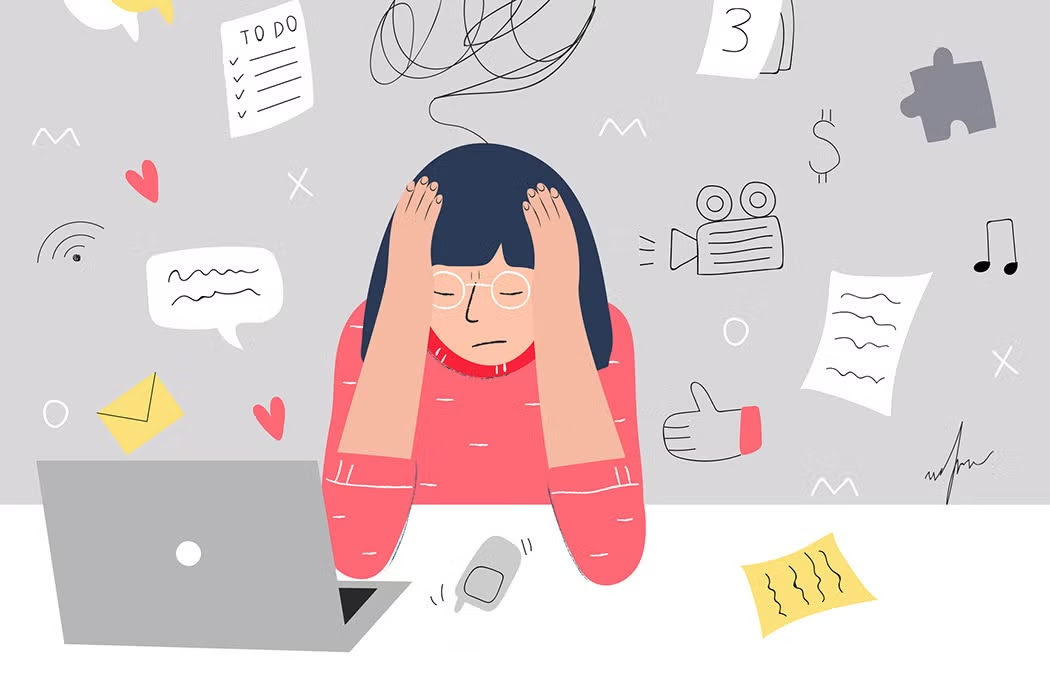
    ADHD is so much more than just being a little restless or forgetful sometimes. It’s a really complex brain “disorder” that messes with a lot of daily life. An ADHD brain works differently and in unique ways. This means everyday stuff that’s super easy for others can feel like a never-ending uphill battle for someone with ADHD. Simple tasks can become constant sources of struggle and frustration.

    For kids, these challenges often spill over into how they learn in school. They affect how they act in social situations. These challenges influence how they get along with friends. This can leave them feeling misunderstood, overlooked, or like a “bad kid”.

    ADHD is tricky to understand. Symptoms don’t show up the same way for everyone. ADHD symptoms are super individual. They can be really different from person to person. They change from one day to the next. They can even shift hour by hour depending on what’s going on around them. Stress levels and situational demands also affect them. This variability often leads to misunderstandings and can make it much harder to obtain a diagnosis and manage it effectively.

    Here’s a closer look at some of the typical daily challenges both kids and adults with ADHD face. This really shows how much this condition affects everything.

    Morning Struggles: A Chaotic Start to the Day

    For many folks with ADHD, the day often kicks off with a whole bunch of challenges. Falling asleep at night is often a big hurdle. Their mind is racing, and their thoughts won’t stop. Their sleep-wake cycle is all out of whack. These issues make mornings especially tough.

    Not getting enough restful sleep directly leads to struggling to wake up on time. This struggle causes a mad dash to get ready. This hurried and often messy start to the day can instantly trigger feelings of stress, anxiety, and frustration. It sets a negative vibe before the day has even truly begun.

    Staying on Task: The Battle Against Distraction

    Distractions aren’t just occasional interruptions for people with ADHD; they’re a constant, always-there force. Whether at school, work, or home, maintaining consistent focus can be a significant challenge.

    Without an immediate, super compelling deadline, tasks often stay unfinished. Without a clear, immediate reward, tasks go unfinished. This leads to a pile-up of responsibilities and a feeling of being totally swamped.

    This struggle isn’t about a lack of wish to do something. It’s about difficulties with the brain’s executive functions, especially in getting started and maintaining focus.

    Social Challenges: Navigating the Unwritten Rules

    ADHD can profoundly affect how kids and adults interact with others and navigate social situations.

    Some kids with ADHD might act younger than their actual age. They struggle with social cues and those “unwritten rules” of interactions. This can manifest as blurting out inappropriate comments. They may cross social boundaries inadvertently. They often do so without realizing the impact of their actions.

    These behaviors are often perceived by others as rude or disrespectful. They can lead to significant struggles with making and keeping friends. This can lead to feelings of isolation and a sense of being “different.”

    Adults may face similar challenges in professional or personal relationships. They struggle to truly listen in group settings. Managing their reactions can also be difficult.

    Emotional Toll: The Weight of Self-Doubt and Frustration

    Living with ADHD often creates a tough inner conversation full of self-doubt, shame, and feeling not good enough.

    The ongoing experience of struggling with tasks that seem easy for everyone else is challenging. Frequent negative feedback from teachers, parents, or bosses can also significantly harm self-esteem.

    Many kids (and adults) describe feeling like a “failure” in various aspects of their lives. This could be in school performance. It could also be in maintaining stable relationships or simply keeping up with basic daily tasks.

    This constant internal battle can lead to more anxiety, depression, and a general feeling of being discouraged. Emotional dysregulation is often linked with ADHD. Meaning that feelings can be super intense. These feelings are also harder to handle. This adds even more to the inner chaos.

    Everyday Life Skills: The Obstacles to Independence

    ADHD significantly impacts self-care and organizational skills, which are crucial for living independently. Common struggles include:

    • Forgetting personal belongings: keys, phones, wallets, homework, or essential papers can happen frequently. This can lead to recurring stress and hassle.
    • Poor time management: Underestimating the time tasks will take, consistently being late, struggling to prioritize, and finding it challenging to plan effectively are classic signs of ADHD, making it a constant uphill battle to stick to schedules and deadlines.
    • Difficulty maintaining healthy eating habits: Impulsivity can lead to unhealthy food choices, while disorganization can result in missed meals or inconsistent eating patterns.
    • Trouble with money management: Impulsive spending, difficulty tracking expenses, and struggles with long-term financial planning are common challenges that can cause significant financial stress.
    • Messy spaces or disorganized routines: Maintaining tidy living or working areas, following consistent routines, and organizing belongings can be incredibly challenging, often leading to cluttered spaces and feeling totally overwhelmed.

    It’s crucial to recognize that these challenges aren’t about being lazy. They’re not about not trying hard enough, or being defiant. These challenges are deeply rooted in how the ADHD brain processes information. It struggles with executive functions and responds to motivation and reward systems.

    Attention: Too Little or Too Much—The Paradox of Focus

    ADHD isn’t just about being easily distracted or struggling to focus.

    While many people with ADHD do indeed have trouble keeping sustained attention on uninteresting tasks, others experience something called hyperfocus. This means becoming intensely absorbed in one engaging activity. Sometimes, this absorption can become obsessive. It can involve a project or interest for hours on end, excluding everything else. During hyperfocus, the rest of life—including essential responsibilities, hunger, or external demands—completely fades into the background.

    This push and pull make it challenging for people with ADHD. The seemingly contradictory nature of being easily distracted and maintaining intense focus complicates their situation. They find it hard to regulate their attention in a balanced, adaptable way. This balance needs to suit the demands of different situations.

    Impulsivity and Frustration: Reacting Before Thinking

    Impulsive behaviors are a hallmark of ADHD. They can show up in tons of ways. These include interrupting conversations a lot and blurting out thoughts without thinking them through. They also include making quick decisions without really considering the consequences.

    This impulsivity isn’t a deliberate choice but a challenge in stopping immediate reactions.

    A low frustration tolerance often accompanies this. Everyday stressors that others might easily brush off can feel disproportionately overwhelming. This can lead to intense emotional outbursts, irritability, or giving up quickly when discouraged.

    Being unable to quickly control emotional responses can strain relationships and make navigating daily setbacks particularly challenging.

    Falling Asleep at Night: When the Brain Turns On 

    Helping a Child with ADHD Sleep Better

    Sleep can be hard for kids with ADHD. They might fight bedtime, get up a lot during the night, or have trouble falling asleep. 

    Creating a consistent bedtime routine helps children know what to expect. Giving gentle reminders paired with familiar cues—like a nightlight or soft music—can make it easier.

    Spending special time together after the routine can help your Child relax before trying to sleep. Discussing their day or listening to their worries can help them calm their minds. Doing a “brain dump” to get thoughts out on paper is also helpful.

    Spending this quiet time together can help your child relax and sleep better.

    Final Thoughts: A Pervasive Impact on Life

    Ultimately, ADHD affects way more than just school or work performance.

    ADHD touches almost every part of life. It impacts the ability to get restful sleep. It also affects how individuals build and keep healthy relationships. Additionally, it influences how they regulate intense emotions and manage crucial self-care and organizational tasks.

    Understanding these widespread daily struggles is crucial. It is the first step in offering genuine compassion. This involves giving tailored support and developing effective strategies. These strategies help kids and adults with ADHD not just to cope. They empower them to thrive in all areas of their lives. It’s about recognizing the neurological differences and adapting environments and expectations to meet individual needs.

    Disclaimer: This blog is for informational purposes only and is not a substitute for professional medical advice. Please consult a qualified healthcare provider for guidance on ADHD.

  • Brains That Bounce: Understanding ADHD From the Inside Out

    Brains That Bounce: Understanding ADHD From the Inside Out

    Brains That Bounce: Understanding ADHD From the Inside Out

    Learn how the ADHD brain works, from executive functioning and emotional regulation to dopamine and motivation, with practical, compassionate parenting tips.

    How an ADHD Brain is Different

    ADHD is more than just being impulsive or easily distracted; it stems from distinctive differences in how the brain functions. Understanding these differences can help lift the weight of frustration and guilt that many individuals with ADHD carry.

    1. Executive Functioning Struggles: 

    The frontal lobe plays a crucial role in executive functions. In individuals with ADHD, this part of the brain may not work as effectively. This can cause behaviors like starting homework and then wandering off, which are brain-based differences rather than failures.

    2. Emotional Regulation and Memory

     The way the brain processes emotions and memories can create intense feelings and reactions. You might notice that a child can become upset over what seems like a minor issue. They might also forget something exciting they were looking forward to. This emotional roller coaster can be confusing for both the child and their caregivers. Still, it’s crucial to remember that these responses are a natural part of how the child’s brain functions.

    3. Restlessness

     Many children with ADHD experience a heightened need for movement, thanks to the way their motor cortex develops. If your child can’t sit still at dinner or constantly taps their pencil, it’s essential to understand this behavior. It’s not just bad behavior. It’s their brains that need to stay active and engaged.

    4. Underactive Areas of the Brain: 

    Certain areas of the brain linked to ADHD may be less active, leading to a craving for stimulation. This explains why mundane tasks, like brushing teeth or tidying up, can feel overwhelming. At the same time, activities that spark excitement—like playing video games—are much easier to engage in. This craving for stimulation is a core part of life with ADHD.

    The Role of Brain Chemicals

    ADHD affects neurotransmitters such as dopamine, serotonin, and norepinephrine, which influence mood, focus, and stress responses. For example, low dopamine can make it hard to stay motivated. Your child might play video games for hours. Still, they struggle with simple tasks. This highlights how chemical imbalances affect behavior.

    • Dopamine: 

    This key chemical is crucial for motivation. When dopamine levels are low, staying on task can feel nearly impossible. You might notice how your child can play a video game for hours but struggles with a simple worksheet. This isn’t a sign of defiance; it’s a matter of how their brain rewards behavior.

    • Serotonin:

      Lower levels of serotonin can lead to mood swings and difficulties sleeping. It can be heartbreaking to see a child feeling cranky in the evenings or struggling to settle down for bed. These ups and downs can complicate family life, but they don’t define your child’s worth.

    • Norepinephrine: 

    This neurotransmitter plays a crucial role in stress responses. Imbalances can lead to overreactions to routine situations, like feeling overwhelmed by simple tasks like chores. It’s essential to approach these moments with understanding. Show empathy. Acknowledge that these responses are a natural part of the ADHD experience.

    Where ADHD Comes From

    ADHD isn’t something anyone chooses; various factors influence it:

    • Genetics: ADHD often runs in families, suggesting inherited traits.
    • Brain Injuries or Trauma: Physical changes due to injury can also contribute to ADHD. 
    • Environmental Factors: Exposure to harmful substances during pregnancy or early childhood can increase the risk of developing ADHD.

    Hope and Possibility

    The good news about ADHD is that it doesn’t mean someone is broken or lacks potential. With the proper support, individuals with ADHD can learn to manage their differences. Practical strategies and, sometimes, medical treatment help them lead fulfilling lives. Many children and adults with ADHD grow to be creative. They become passionate and resilient individuals. They view and engage with the world in uniquely meaningful ways. This message of hope and possibility is a powerful reminder. ADHD is just one aspect of a person. It is not their entire identity.

    If you are parenting a child with ADHD, remember this. If you are living with it yourself, remember this. These differences are not flaws. Your child may often forget their shoes. They may feel overwhelmed by unexpected changes. They might fidget during meals, but none of this diminishes their capabilities or value.

    The ADHD brain can show challenges. Still, it is also full of curiosity, excitement, and unique strengths. These are qualities that the world greatly needs. These strengths, like creativity, passion, and resilience, are often overshadowed by the challenges they face. Recognizing and nurturing these strengths can lead to a more positive and empowering experience for individuals with ADHD.

    Parenting Tips

    Raising a child with ADHD can sometimes feel overwhelming, but implementing small, consistent strategies can lead to meaningful improvements. Here are some empathetic approaches to try:

    Break Tasks into Smaller Steps: 

    Instead of saying something general like “clean your room,” give specific, manageable tasks. You might say, “Can you pick up your clothes first?” followed by, “”ow, let’s’ ut your toys in the basket.”” Clear and simple instructions help your child feel more capable and less overwhelmed.

    Encourage Movement:

     Support your child’s’ ned for movement to help them focus. Allow them to stand while doing homework. Use a fidget toy to keep their hands occupied. Incorporate short jumping breaks to release energy. Recognizing their need to move can make learning more effective.

    Leverage Their Interests:

     If your child is passionate about something—like dinosaurs, art, or video games—use that interest to engage them in learning. Incorporating their passions into daily activities can strengthen connections and foster a love of learning.

    Practice Patience:

    Progress with ADHD can be non-linear and tricky. Celebrate the small victories along the way, and remind yourself that “messy” doesn’t mean ” failure.”” Growth happens at different paces for everyone, and that’s perfectly okay. This emphasis on patience and celebration can encourage and motivate the audience.

    Final Thoughts 

    Understand ADHD with empathy. This approach helps your child thrive. You can help them navigate their challenges with confidence and love. Remember, you are not alone on this journey, and each small step forward is something to celebrate. Progress in ADHD is rarely neat or linear. Notice the small wins—like remembering to put on one shoe before getting distracted. Those little victories add up, and the support of a community can make the journey more bearable.

    Disclaimer: This blog is for informational purposes only and is not a substitute for professional medical advice. Please consult a qualified healthcare provider for guidance on ADHD.