Category: Blog

  • From Diagnosis to Treatment Part 2: A Complete Guide to Understanding Children with ADHD & Strategies to Help Them Thrive

    From Diagnosis to Treatment Part 2: A Complete Guide to Understanding Children with ADHD & Strategies to Help Them Thrive

    Learn how ADHD affects children at home, school, and socially. This parent-friendly guide explains the three types of ADHD, early signs, diagnosis, treatment options, and why early support helps children build confidence and thrive.

    From Diagnosis to Treatment Part 2: A Complete Guide to Understanding Children with ADHD & Strategies to Help Them Thrive

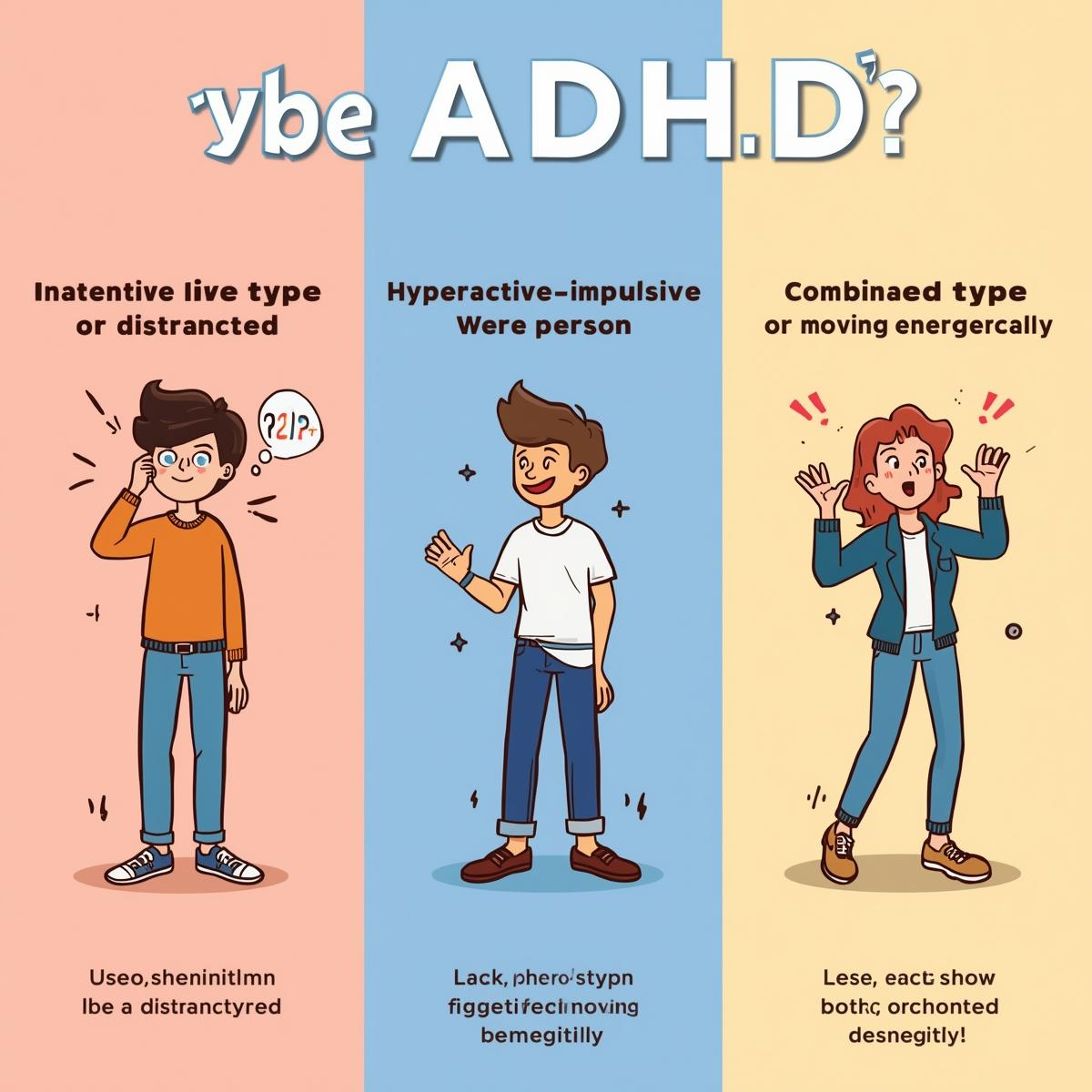
    A Quick Overview Of The 3 Types of ADHD

    Every type of ADHD reveals its unique presence in a child’s daily life, emphasizing the importance of understanding these distinctions. With the right diagnosis and proactive intervention, children can embrace the support they need. 

    Early identification opens the door to tools that lessen the impact of symptoms. It empowers kids to conquer challenges. They cultivate confidence and flourish in their social, academic, and emotional journeys.

    1. Predominantly Inattentive

    Children with this type struggle most with focus and organization rather than hyperactivity.

    • They may seem “lost in their own world,” often daydreaming.
    • Forgetfulness, careless mistakes, and unfinished tasks are a part of everyday life.
    • They may appear not to be listening, even when spoken to directly.
    • Organization and time management are frequent challenges.

    Because these children aren’t disruptive, their struggles are often overlooked or mistaken for a lack of effort.

    2. Predominantly Hyperactive-Impulsive

    This type is the more stereotypical picture of ADHD.

    • Children are often restless, fidgety, and constantly “on the go.”
    • They may blurt out answers, interrupt, or struggle to wait their turn.
    • Playing quietly or sitting still in class can feel nearly impossible.
    • Excessive talking and impulsive behaviors are common.

    Since these behaviors are outward and noticeable, this type tends to be identified earlier.

    3. Combined Type

    Some children experience symptoms of both inattention and hyperactivity/impulsivity.

    They may daydream and lose focus easily while also being impulsive and restless.

    These children can feel pulled in two directions—living in their heads while also struggling to manage their behaviors.

    Each type presents unique challenges that need tailored support.

    What Does Getting a Diagnosis Look Like?

    Getting an ADHD diagnosis is a helpful process. Trained professionals, such as pediatricians, psychologists, or psychiatrists, conduct thorough evaluations and gather information from various sources to ensure accuracy.

    To identify ADHD, the following criteria must be met:

    • Duration: Symptoms should be present for at least six months.
    • Impact: Symptoms must affect daily life in key areas, such as school, home, and social interactions.
    • Age appropriateness: The symptoms should be more severe than what is typical for the child’s age.
    • Ruling out other conditions: Professionals will explore possible explanations to ensure the diagnosis reflects the child’s needs.

    The main purpose of a diagnosis is to open the door to effective help and resources for the child, promoting their growth, well-being, and ability to thrive.


    What Happens When ADHD Goes Undiagnosed and Unsupported

    If ADHD is not recognized or supported, children can face serious struggles.

    • Increased risk of other conditions: Children with untreated ADHD are more likely to develop anxiety, depression, learning difficulties, or behavioral disorders.
    • Labels and misunderstandings: Kids may be called “lazy,” “troublemakers,” or “unmotivated.”
    • Low self-esteem: Repeated struggles can make children feel like they’re not good enough.
    • Academic struggles: Poor focus, organization, and impulsivity can make schoolwork harder.
    • Social challenges: Difficulty controlling impulses or paying attention can affect friendships.

    ADHD is manageable. Here are some things you  can do for your child to help  and support them as they grow. 

    1. Early Recognition Leads to Brighter Futures

    Early ADHD identification can make a lasting difference. ✨

    Children who get support early gain critical skills, confidence, and self-understanding… before frustration or negative feelings take over.

    Tip: If your child struggles with focus, forgetfulness, or hyperactivity for more than six months, consider professional evaluation.


    2. Take into Consideration that ADHD Is Not a Character Flaw

    ADHD is not laziness or a lack of effort.

    It’s a different way of thinking and experiencing life. With proper guidance, children can learn to work with their brains rather than against them. 💪

    Tip: Celebrate effort and small wins, the process not just outcomes, to build confidence and motivation.


    3. Remember that Confidence Grows With Understanding

    Children thrive when they feel understood. 🌱

    Supportive strategies help them manage emotions, build self-esteem, and succeed in school, friendships, and life. Patience and empathy create a safe space for learning and growth.

    Tip: Use positive reinforcement and validate feelings to help develop self-awareness and resilience.


    4. Support That Works: Therapy, Medication, and Daily Habits 

    ADHD is highly manageable with the right combination of supports. 🌟

    Therapy:

    • Behavioral therapy teaches self-control, problem-solving, and positive behaviors.
    • Social skills training helps children make friends and resolve conflicts.
    • Family therapy improves communication and understanding.

    Medications:

    • Can help manage symptoms alongside parenting strategies.
    • Stimulant and nonstimulant options are available and carefully monitored.
    • Parents should understand what medications can—and cannot—do.

    Daily Habits:

    • Balanced meals 🥗
    • Daily movement 🏃‍♂️
    • Limited screen time 📵
    • Adequate sleep 🛌

    The goal isn’t to change who your child is—it’s to help them succeed as they are. The Goal of treatment is to support them to grow toward their potential. 💛


    5. Be Patient: Progress Happens One Day at a Time

    Healthy routines create strong foundations. 🌈

    Movement, nutrition, sleep, and structure support ADHD brain development. Small, consistent steps lead to meaningful progress and lifelong skills.

    Tip: Focus on routines that fit your child and celebrate every win along the way.


    Final Thoughts

    ADHD is not a flaw—it’s a unique way of experiencing life. With early support, therapy, and consistent routines, children with ADHD can thrive. Understanding helps them reach their potential and feel confident in who they are.

    If your child struggles with attention, impulsivity, or organization, seek professional guidance. Early recognition and targeted strategies can make a lasting difference. 💛

  • From Diagnosis to Treatment: A Complete Guide to ADHD Part 1

    From Diagnosis to Treatment: A Complete Guide to ADHD Part 1

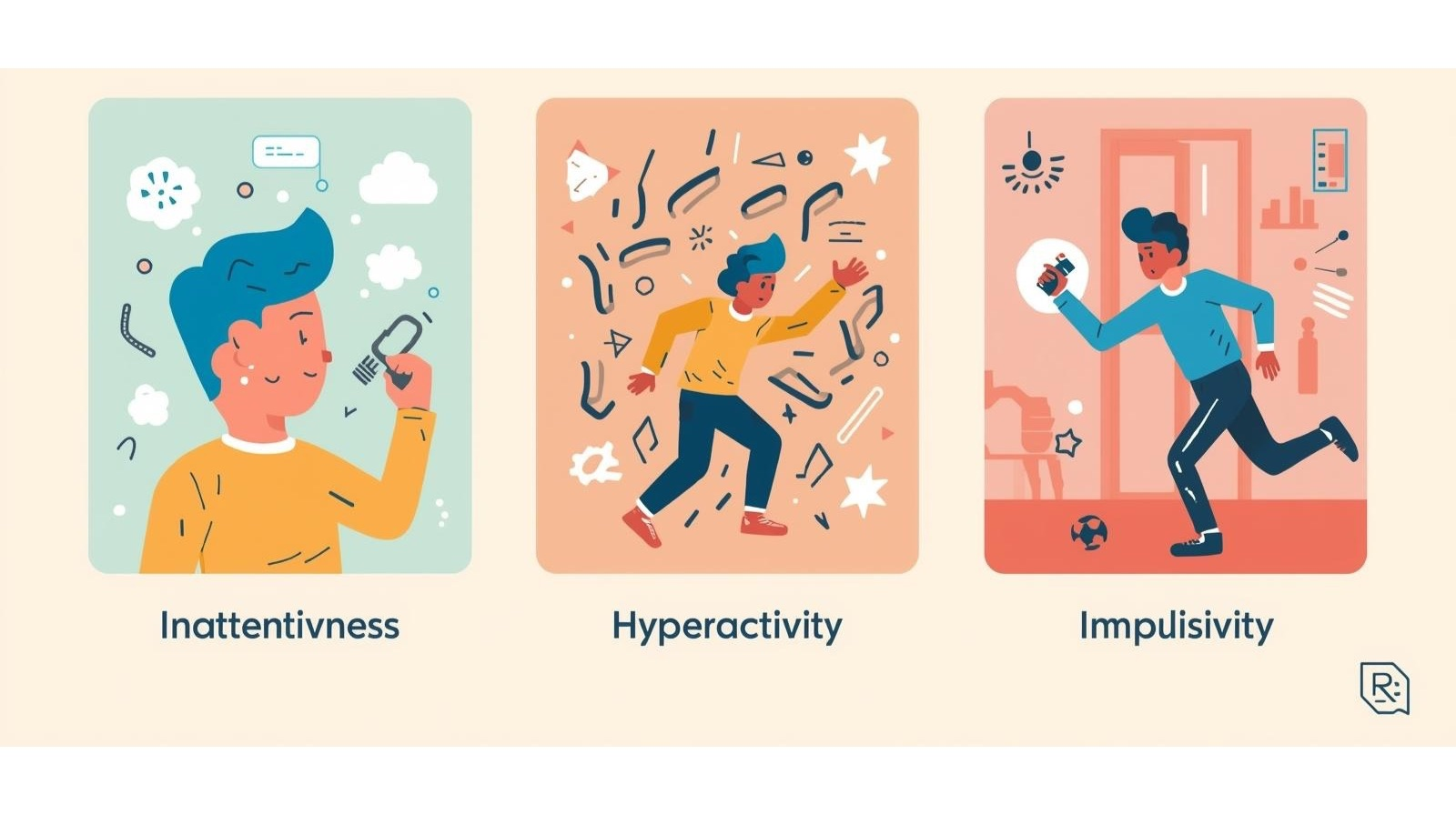
    A parent-friendly guide to ADHD—from early signs and diagnosis to treatment and support. Learn the three types of ADHD. Early identification matters. Therapy, routines, and understanding can help children thrive at home, school, and beyond.

    Let’s take a look at Lily’s lived experience.

    Ten-year-old Lily thrived in her busy home, filled with laughter and activity. After bursting through the door one sunny afternoon, she excitedly forgot her homework on the kitchen table and felt drawn to a new video game instead. When she tried to help with chores, she found it challenging to finish picking up toys, but quickly shifted her attention to an engaging drawing project. As her siblings played a game, she learned the importance of patience while waiting for her turn, and eventually, she immersed herself in the fun once she joined in. As evening approached, Lily faced her math homework, which gave her a chance to develop her skills. Although the numbers felt confusing at times, she knew she could improve with practice. After her mother gently reminded her about the unfinished homework, Lily took a deep breath and looked at the crumpled papers with determination. She recognized that she could tackle them effectively after finishing her latest drawing. Each day offered her a valuable mix of excitement and learning, helping her grow and balance her love of creativity with her responsibilities.


    Does any of this sound familiar? 

    When a child struggles in school, at home, or with friendships, parents often wonder what could be going on. For some children, the root cause is ADHD (Attention-Deficit/Hyperactivity Disorder). ADHD isn’t about laziness or bad behavior—it’s a neurodevelopmental condition that affects a person’s executive functioning, including their ability to focus, organize, and manage impulses.

    It’s essential to understand that ADHD isn’t about your child’s personality, intelligence, or effort level. It’s actually just your child’s brain working differently, and there’s nothing wrong with that.

    You may have also heard the term ADD, but today, ADHD is the umbrella term. There are three main types, as described in the Diagnostic and Statistical Manual of Mental Disorders, and each can manifest differently in a child’s daily life.

    ____________________________________________________________________________

    ADHD TypeKey SignsDaydreams, forgetfulness, unfinished tasks, appears not to listen, struggles with organization, and time managementTreatment & Support
    Predominantly InattentiveDaydreams, forgetful, unfinished tasks, appears not to listen, struggles with organization, and time managementMay be labeled lazy or unmotivated; low self-esteem; academic struggles; social challengesBehavioral therapy, parent training, structured routines, school support, healthy daily habits
    Predominantly Hyperactive-ImpulsiveFidgeting, restless, blurts out answers, interrupts, hard to play quietly, excessive talkingSeen as troublemakers, social difficulties, risky behaviors, and low self-confidenceBehavioral therapy, social skills training, medication if prescribed, daily routines, and physical activity
    Combined TypeMix of inattentive and hyperactive-impulsive symptoms; complicated to focus while also restless/impulsiveStruggles in multiple areas; higher risk for anxiety, depression, learning difficulties, and peer problemsCombination of therapies, possible medication, parent support, structured environment, healthy lifestyle

    *This table shows the main types of ADHD, how they might show up in kids, the risks of going unsupported, and the treatments that can help.

    ____________________________________________________

    .

    A More in-depth Look at ADHD

    The 3 Types of ADHD

    1. Mostly Inattentive

    Kids with Mostly Inattentive ADHD mainly struggle with keeping their attention, staying focused, and getting organized. They usually aren’t super hyper. Their struggles often happen inside their heads, so they might not seem disruptive, which can lead to them being overlooked.

    • “Zoned out”: These kids might seem to daydream frequently. They might be staring into space. They might not pay attention when people are talking or during lessons. Their minds can wander, making it difficult to stay in the moment and focus on what’s happening right now.
    • Forgetting and silly mistakes: They might frequently forget instructions, homework, or personal belongings. Making simple errors in schoolwork or daily tasks is standard, not because they don’t understand, but because they spaced out. They often start things with good intentions but don’t finish them.
    • It seems like they’re not listening. Even when you talk directly to them, a child with this type might seem checked out. They might not respond, which can lead adults to think they’re ignoring them. However, their attention has drifted elsewhere.
    • Trouble with organization and time management: Keeping track of assignments is challenging. Organizing school supplies and managing belongings can also be difficult. Adhering to schedules presents another significant challenge. They might have trouble planning and figuring out what to do first, leading to missed deadlines and feeling totally swamped.

    A key point to remember is that these kids are usually not loud or disruptive in class. As a result, they may experience a delay in getting a diagnosis and the help they need. People often assume they’re lazy, unmotivated, or simply not interested in school.

    2. Mostly Hyperactive-Impulsive

    This type is probably what most people picture when they think of ADHD. Children with this type are highly active and often struggle to control their impulses.

    • Fidgety and always on the move: These kids often need to be in motion. They might fidget a lot. They squirm in their seats and tap their feet. They may feel the urge to run, jump, or climb, even when it’s not the right place. Sitting still for long periods feels almost impossible.
    • Blurting things out and interrupting: Talking without thinking is a big sign. They might blurt out answers before a question is even finished. They may cut people off in conversations. They can also jump into other kids’ games without thinking about how it affects others.
    • It’s hard to play quietly or sit still: Being expected to be quiet and sit still in a classroom can be a significant struggle. This often leads to acting out or having trouble following rules that require them to remain still.
    • Talks a lot and acts on impulse: They might talk non-stop, often jumping from one topic to another. Engaging in impulsive behaviors is common. These include actions like running into the street without looking, making quick decisions without thinking, or acting on sudden urges. Such behaviors can even be dangerous.

    These behaviors are so obvious and often disruptive. This type of ADHD usually gets noticed earlier in a child’s life. It is frequently noticed when they’re little and in school. Their actions are more apparent to parents, teachers, and other kids.

    .3. Combined Type

    A child is diagnosed with the combined type of ADHD when many symptoms are present. These symptoms come from both the inattentive and hyperactive-impulsive categories.

    • Struggles on two fronts: Kids with this type might get lost in their own thoughts and have trouble focusing on details or following instructions (similar to the inattentive type). At the same time, they’re dealing with the restlessness, impulsivity, and excessive energy of the hyperactive-impulsive type.
    • Pulled in two directions: These kids often feel like they’re constantly fighting an internal battle. They might be “in their heads,” struggling to focus on details or follow directions. However, they also find it incredibly hard to sit still, wait their turn, or control their immediate urges. This mix can make managing their behavior really complex and challenging.

    Combined Type is actually the most common type of ADHD

    What Does Getting a Diagnosis Look Like?

    Getting an accurate ADHD diagnosis is a pretty thorough process. It usually involves reviewing a lot of information from different sources and a careful evaluation by trained professionals (like pediatricians, child psychologists, psychiatrists, or neurologists). To meet the official diagnosis rules, symptoms of inattention and/or hyperactivity-impulsivity have to follow specific guidelines:

    • Duration: The symptoms must have been present consistently for at least six months. This makes sure that these behaviors aren’t just a temporary phase or a reaction to something stressful.
    • The extent to which it affects them: The symptoms must clearly interfere with daily life in various settings, such as school, home, and social interactions with friends. This means the challenges aren’t just in one spot but affect different parts of the child’s life.
    • Normal for their age?: The symptoms must be more frequent or severe than what’s normal for the child’s age. For example, all young kids can be impulsive, but a child with ADHD shows these behaviors way more than what’s typical for their peers.
    • Ruling out other stuff: Professionals will also check for other possible reasons for the symptoms, like learning disabilities, anxiety, depression, or other medical conditions, to make sure the diagnosis is spot on.

    It’s super important to remember: no type of ADHD is “better” or “worse.” Each one comes with its own unique set of challenges that need specific support, understanding, and strategies. The primary purpose of a diagnosis isn’t to label a child, but to open the door to practical, personalized help.

    Why Early Recognition Matters: 

    Recognizing ADHD early opens the door to vital support and treatment, allowing children to thrive.

    When left unsupported, children can face significant challenges:  

    • Labels and Misunderstandings
    • Low Self-Esteem  
    • Academic Challenges
    • Social Issues
    • Increased Risk of Other Mental Health Conditions

    Treatment Options  

    ADHD is manageable and offers pathways to success through:  

    1. Therapy 

    2. Coaching

    3. Medications  

    4. Daily Habits & Lifestyle  

    Final Thoughts

    If your child has been persistently struggling with attention, organization, impulse control, and hyperactivity issues for a while, it may be worth seeking an ADHD evaluation. Consult with a qualified professional. Catching it early is a huge step. It doesn’t just give you a label; it unlocks tons of resources, proven strategies, and personalized support. These interventions can help your child deal with their daily struggles. They enable your child to truly flourish. Your child can reach their full potential in school, socially, and emotionally. This transforms their everyday experience from merely surviving to Thriving.

    Disclaimer: This blog is for informational purposes only and is not a substitute for professional medical advice. Please consult a qualified healthcare provider for guidance on ADHD.