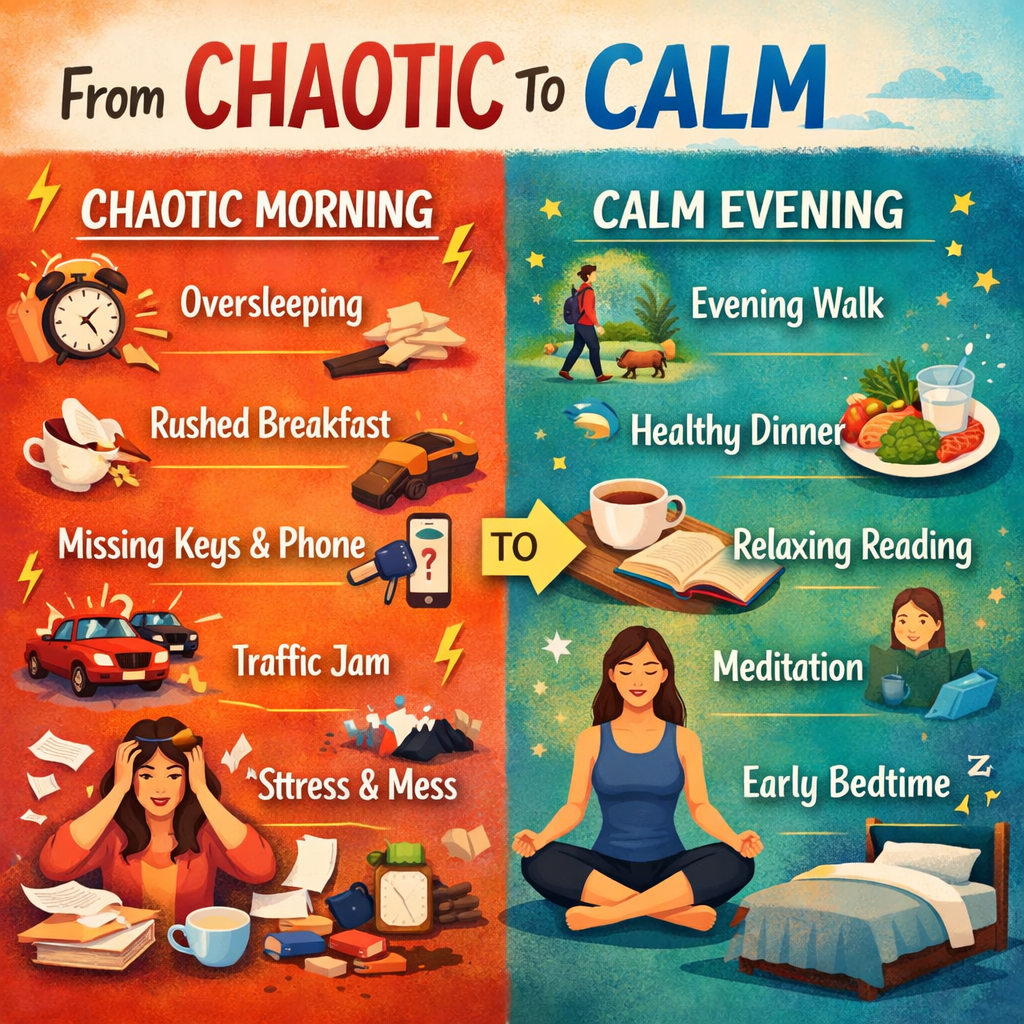
Creating routines for children with ADHD can feel overwhelming, especially when traditional schedules don’t work. This guide helps parents build ADHD-friendly routines that are flexible, realistic, and sustainable. Learn how to use visual supports, break tasks into manageable steps, plan for time blindness, and incorporate movement to improve focus and behavior. Discover how to reduce overwhelm, support emotional regulation, and create systems—not just schedules—that truly work for your child. With practical strategies and real-life tips, you’ll feel more confident helping your child build independence, consistency, and success in daily routines.
Turning Chaos Into Consistency
Parenting a child with Attention-Deficit/Hyperactivity Disorder often feels like trying to create order in constant motion.
You want structure. Your child resists it.
You create a plan. It falls apart.
Sound familiar?
Here’s the truth: routines can work for children with ADHD—but only when they are designed for how their brains function.
This guide will show you how to create routines that are:
- Flexible
- Realistic
- Sustainable
And most importantly, effective.
Why Traditional Routines Don’t Work for ADHD
Many routines fail because they rely on skills ADHD children are still developing, like:
- Working memory
- Self-control
- Time awareness
Children with ADHD often struggle with:
- Holding multiple steps in mind
- Delaying gratification
- Stopping one activity to start another
So instead of expecting your child to adapt to the routine, the routine needs to adapt to your child, helping you feel more confident and supported.
Build Systems, Not Just Schedules
A schedule tells you what to do.
A system helps you actually do it.
Effective ADHD routines include:
- Visual supports
- Timers
- Environmental cues
- Clear expectations
Think of it this way: systems reduce the need for constant reminders.
Use External Tools to Support Memory
ADHD affects working memory, which means your child may forget instructions quickly.
Support them with:
- Checklists
- Visual charts
- Calendars
- Phone reminders (for older kids)
Post routines where your child can see them—not just hear them.
Break Tasks Into the Smallest Steps Possible
“Clean your room” is overwhelming.
Instead, try:
- Pick up clothes
- Put toys in the bin
- Make bed
Small steps reduce overwhelm and increase success.
Plan for Time Blindness
Children with ADHD don’t experience time the same way.
To help:
- Use timers
- Give time warnings
- Show how long tasks take
Timers also add urgency, which can improve focus.
Create Flexible, Predictable Routines
Structure is important—but rigidity isn’t helpful.
Your routine should:
- Stay consistent to
- Allow flexibility in timing
- Include buffer time
Life happens. Build that into your plan.
Make Sleep a Priority
Sleep is critical for brain function.
Children with ADHD often struggle with:
- Falling asleep
- Staying asleep
Improve sleep by:
- Creating a calming nighttime routine
- Starting wind-down time early
- Keeping the environment comfortable
Better sleep leads to better behavior, focus, and mood.
Use Motivation Strategically
Motivation is often the missing piece.
To increase it:
- Add rewards
- Celebrate progress
- Connect tasks to positive feelings
Ask your child:
“What will it feel like when this is done?”
This helps make the future feel more real—and motivating.
Support Self-Control and Impulse Management
Many children with ADHD struggle with impulse control.
Teach:
- Pause before acting
- Think through choices
- Finish one task before starting another
This takes practice—and patience.
Incorporate Movement Into Routines
Movement helps regulate attention.
Include:
- Short activity breaks
- Hands-on tasks
- Opportunities to move
Even small amounts of movement can improve focus.
Watch for Overwhelm
When children feel overwhelmed, routines fall apart.
Signs include:
- Meltdowns
- Avoidance
- Emotional outbursts
When this happens:
- Reduce demands
- Slow things down
- Offer support
Regulation comes before routine.
Be a Detective: Learn What Works
Every child with ADHD is different, so consider their unique strengths and challenges when creating routines. Pay attention to what motivates them, distracts them, and when they focus best. Use this information to customize routines that truly support your child’s specific needs.
Pay attention to:
- What motivates them
- What distracts them
- When they focus best
Use this information to adjust routines.
Collaborate and Adjust
Your child’s input matters.
Work together to:
- Create routines
- Solve problems
- Make adjustments
Negotiation is part of the process.
Use Weekly Planning
Create a simple system:
- Start with fixed events (school, activities)
- Add important tasks
- Include breaks and downtime
- Review and adjust weekly
Planning reduces stress during the week.
Keep It Simple and Sustainable
The best routine is one you can maintain.
Focus on:
- Clarity
- Simplicity
- Consistency
Avoid overcomplicating the process.
Embrace Imperfection
You will:
- Forget things
- Lose track of time
- Have off days
That’s normal.
Model resilience by:
- Laughing at mistakes
- Trying again
- Staying flexible
Your child learns more from your response than your routine.
Final Thoughts: Routine as a Tool for Growth
Routines are not about control—they’re about support.
When done well, they:
- Reduce stress
- Build independence
- Strengthen confidence
As you build routines, remember:
You’re not just creating structure—you’re helping your child understand how their brain works.
And that’s a skill they’ll carry for life.
Leave a Reply