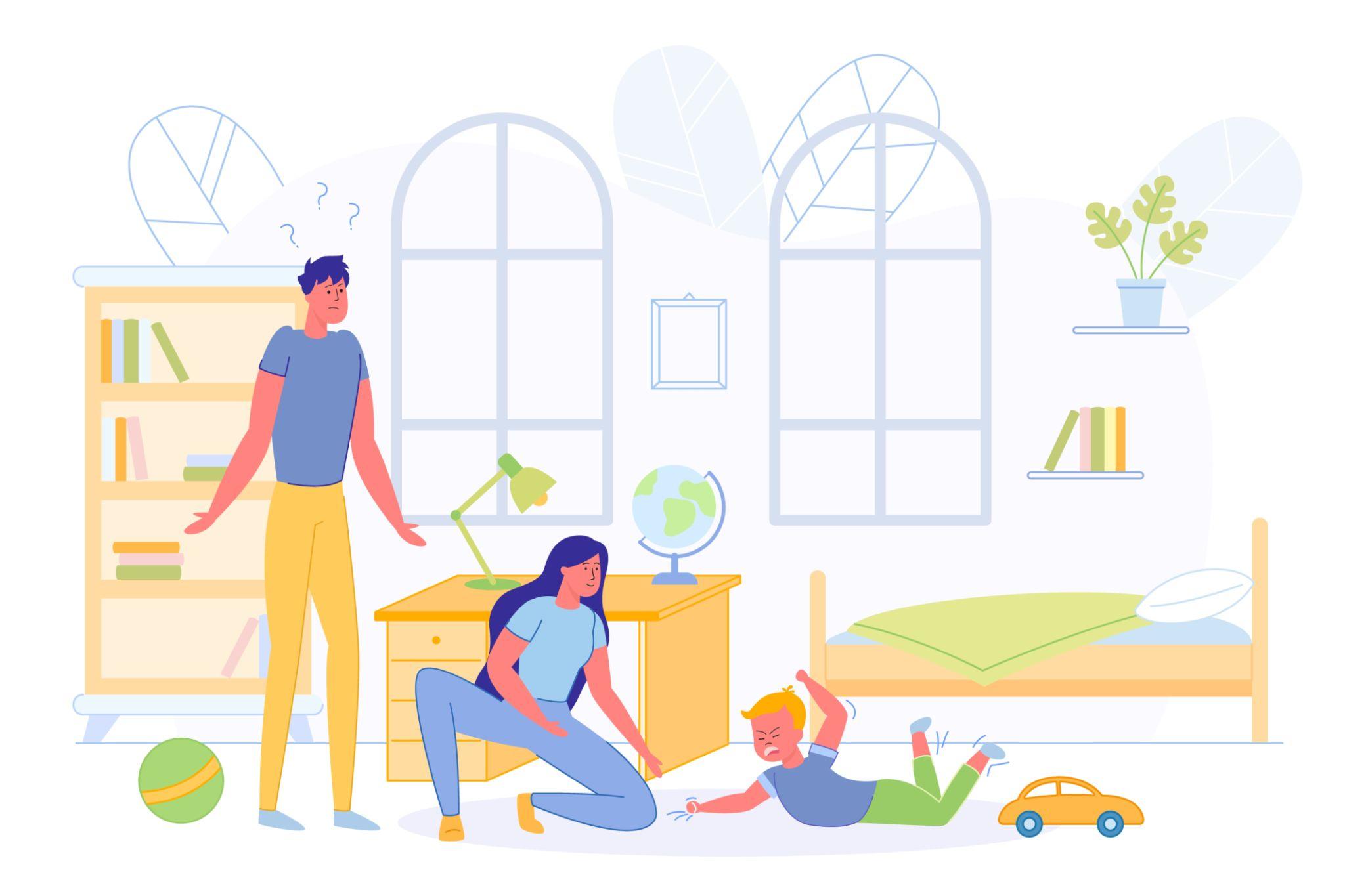
Summary: Parenting a child with ADHD is challenging, but a strong, supportive relationship makes the greatest impact. Using tools like self-control, compassion, collaboration, consistency, and celebration helps build confidence and reduce conflict. With understanding, patience, and support, parents can guide their child toward resilience, emotional growth, and long-term success.
Parenting a child with ADHD can be incredibly challenging, and it’s important to acknowledge just how hard it can be. You areface the usual hurdles of parenthood. You also take on the added responsibility of navigating the unique complexities that come with ADHD.
This journey can feel overwhelming at times. It also offers countless opportunities. These opportunities help you support your child in staying organized, establishing routines, and managing their emotions. The most precious gift you can give, though, is a strong and loving relationship. This bond is essential for shaping their future and fostering their self-esteem.
When children know they are safe at home, they are better equipped to tackle challenges. Feeling deeply cherished helps them develop into confident individuals. Take the time to fully understand ADHD. This creates a foundation of compassion.
Understanding your child will also create a connection that will nurture and strengthen your relationship. Children with ADHD truly thrive when they feel the unwavering support of their parents, particularly during the most difficult moments.
Five Powerful Parenting Tools
ADHD expert Dr. Sharon Saline describes five important tools that help parents build stronger relationships with their children with ADHD.
These tools help reduce conflict while building confidence and cooperation.
1. Self-Control
Self-control means staying calm, even when things feel frustrating.
Children with ADHD can have challenging behaviors. In those moments, they need their parents to stay grounded.
Taking a deep breath, pausing, and responding calmly can prevent situations from escalating.
Children learn emotional regulation by watching how their parents handle emotions.
Your calm presence teaches them how to handle their own big feelings.
2. Compassion
Compassion means trying to understand what your child is experiencing.
Observe your child closely. Ask questions. Listen without judgment.
Notice both their struggles and their strengths.
Every child with ADHD has unique abilities and talents. Some children are incredibly creative, curious, energetic, or empathetic.
Recognizing these strengths helps build confidence and self-esteem.
3. Collaboration
Children are more willing to try solutions when they help create them.
Instead of telling your child what must change, invite them into the problem-solving process.
You might ask:
- “What part of homework feels hardest?”
- “What do you think might help?”
- “What could we try this week?”
Start small. Focus on one change at a time.
When children feel included, they are more likely to cooperate and stay motivated.
4. Consistency
Once a plan is created, consistency helps it work.
Children with ADHD learn best through practice and repetition.
Try new strategies, adjust when needed, and keep going. Progress takes time.
Focus on progress, not perfection.
Your child will notice the effort you are putting in, and that effort models persistence.
5. Celebration
Celebration is often overlooked but very powerful.
Notice your child’s effort, not just their results.
Say things like:
- “I saw how hard you worked on that.”
- “You stayed focused longer today.”
- “You kept trying even when it was hard.”
Positive encouragement builds motivation and helps children believe in themselves.
ADHD Often Runs in Families
ADHD has a strong genetic link. If your child has ADHD, there is a higher chance that another family member may have it too.
Sometimes parents realize they may have ADHD themselves after their child is diagnosed.
If you suspect you might have ADHD yourself, consider talking with a professional about an evaluation. This can help you better understand your own brain. It can also better support your child’s needs.
Treatment for adults with ADHD can include:
- Medication
- Therapy
- Coaching or skills training
When parents get support for their own ADHD symptoms, it can improve:
- Parenting skills
- Organization and routines
- Emotional regulation
- Stress levels at home
Taking care of yourself is an important part of supporting your child.
Parents need support, too.
Parenting a child with ADHD can significantly increase stress for parents, leading to feelings of overwhelm and emotional exhaustion. It’s important to recognize that support is available and essential for managing these challenges.
Key support options include family therapy, behavioral parent training, ADHD coaching, and support groups for parents. These resources help alleviate isolation and foster connections with others facing similar situations.
Seeking help demonstrates strength and teaches children the importance of asking for assistance when needed.
The Power of a Strong Relationship
It is easy to become overwhelmed by daily struggles. These include homework battles, messy rooms, emotional meltdowns, and forgotten tasks.
But amid all those challenges, the parent–child relationship must stay the priority.
Connection is what helps children feel safe enough to learn, grow, and try again.
When children know their parents are always on their side, they gain the confidence to face the world.
Final Thoughts
Parenting a child with ADHD can be challenging, but it can also be deeply meaningful.
Your child does not need a perfect parent. They need a parent who shows up with understanding, love, and some patience.
Focus on connection with your child. Understand ADHD and seek support. Work together as a family to create the foundation your child needs to thrive.
Remember:
You are not alone.
You are learning together.
And your relationship with your child is one of the most powerful tools you have.
Sometimes the greatest support you can give your child is simply this message:
“I am on your team, and we will figure this out together.”
Leave a Reply