Category: Understanding ADHD

  • ADHD Myths Debunked: Facts Parents Can Trust

    ADHD Myths Debunked: Facts Parents Can Trust

    ADHD myths debunked for parents who want facts they can trust. Learn what ADHD really is, what it isn’t, and how to confidently respond to common misconceptions while advocating for your child with clarity, compassion, and evidence-based understanding.
    IMG 0123 1

    ADHD is one of the most common neurodevelopmental conditions affecting children. Unfortunately, it’s surrounded by myths and misconceptions. These myths and misconceptions can be genuinely frustrating. These misunderstandings can make children feel misjudged and can leave parents feeling isolated or blamed for their child’s challenges.

    As a parent, you may often find yourself in situations where you need to educate others about ADHD. You also need to advocate for your child’s needs. I understand how challenging this can be, and I’m here to support you. Below is a guide. It outlines the facts about ADHD. It addresses some common myths. It provides thoughtful responses to help you communicate with clarity and confidence.

    You’re not alone in this journey.

    Fact: ADHD is a real brain-based condition.

    Research shows clear differences in brain activity and development in children with ADHD compared to those without it.

    💬 When someone says: “ADHD isn’t real.”

    👉 You can respond: “Actually, decades of research prove ADHD is a real neurodevelopmental condition. It’s recognized by the medical community worldwide, including the CDC and American Academy of Pediatrics.”

    Myth: ADHD is caused by sugar, TV, or poor parenting.

    None of these things causes ADHD. It has a strong genetic part, meaning it often runs in families.

    💬 When someone says, “Maybe if you cut out sugar or limited screen time, your child wouldn’t have ADHD.”

    👉 You can respond: “Diet and routines can affect behavior, but ADHD is a brain-based condition. My child’s ADHD isn’t caused by sugar or screen time.”

    Fact: ADHD affects daily life.

    It impacts learning, friendships, emotions, and self-care—not just attention.

    💬 When someone says: “All kids get distracted sometimes.”

    👉 You can respond: “True, but ADHD goes beyond typical distraction. It interferes with school, relationships, and daily routines in a much bigger way.”

    Myth: Children need to try harder.

    Kids with ADHD are already working hard, often harder than others. The issue isn’t effort—it’s how their brain manages focus and self-control.

    💬 When someone says: “If they really tried, they could behave.”

    👉 You can respond: “My child is trying. ADHD isn’t about willpower—it’s about how their brain works. They want to succeed just as much as any other child.”

    Fact: ADHD doesn’t manifest in the same way for everyone.

    Some kids are hyperactive, while others are mostly inattentive. Girls are often underdiagnosed because their symptoms can be quieter.

    💬 When someone says: “But she can’t have ADHD—she’s not hyper.”

    👉 You can respond: “ADHD isn’t always about being hyper. Many kids, especially girls, show symptoms through inattention rather than constant movement.”

    Myth: Kids will outgrow ADHD.

    Symptoms may change with age, but ADHD often continues into adulthood.

    💬 When someone says: “Don’t worry—they’ll grow out of it.”

    👉 You can respond: “Some symptoms may become easier to manage. However, most people with ADHD continue to experience them as adults. That’s why early support is so important.”

    Fact: Treatment is not one-size-fits-all.

    Medication helps many, but therapy, behavioral strategies, lifestyle changes, and school supports are also effective.

    💬 When someone says: “Medication is the only option.”

    👉 You can respond: “Medication is one tool, but it’s not the only one. Support can include therapy, classroom strategies, routines, and skill-building.”

    Myth: Children with ADHD aren’t intelligent or motivated.

    Many kids with ADHD are not just intelligent, but highly so. Their creativity and potential are often overlooked. Their motivation is impacted by brain chemistry, not by lack of ability or ambition. With the right support, they can thrive and reach their full potential.

    💬 When someone says: “Kids with ADHD just don’t care about school.”

    👉 You can respond: “Actually, many children with ADHD care deeply and want to succeed. Their brains process motivation differently, but with the right support, they can thrive.”

    The Bottom Line

    Remember, you are not alone in this journey. There are many parents like you who are navigating the world of ADHD. Know the facts. Correct the myths calmly. You can advocate for your child. Additionally, you help others understand ADHD with compassion and accuracy.

    Disclaimer: This blog is for informational purposes only and is not a substitute for professional medical advice. Please consult a qualified healthcare provider for guidance on ADHD.

  • A Simple Guide for Parents: 6 Ways to Help Your Child with ADHD

    A Simple Guide for Parents: 6 Ways to Help Your Child with ADHD

    A simple, parent-friendly guide to ADHD with 6 practical ways to help your child thrive. Learn how early support, healthy habits, routines, and patience can improve focus, confidence, behavior, and emotional well-being at home and school.

    If your child has ADHD (Attention-Deficit/Hyperactivity Disorder), you may notice they face challenges like sitting still, focusing, or following directions. It’s completely understandable to feel overwhelmed; your child might become frustrated easily or act impulsively. This journey can be tough for both you and your child.

    ADHD is a genuine brain condition, and it’s important to remember that children with ADHD are not lazy or spoiled. They simply think and behave differently. While they won’t outgrow ADHD, with the right help, they can learn to manage it effectively.

    As a caring parent, you play a pivotal role in supporting your child.

    🚩 Why It’s Important to Help Early

    When ADHD is untreated, children may face challenges such as:

    – Being misunderstood and labeled as lazy, troublemakers, or spacey

    – Struggling with self-esteem and feeling down about themselves

    – Encountering difficulties in school and building friendships

    – Finding it hard to keep up with daily activities

    Unfortunately, these challenges can also lead to other issues, such as:

    – Experiencing feelings of sadness or anxiety

    – Engaging in conflicts with others

    – Facing learning difficulties

    – Having a higher likelihood of substance use in their teenage years

    But remember, with your unwavering love and support, your child can flourish. They can do well at home, in school, and in life. You’re not alone in this journey. there’s hope for a brighter future.

    ✅ 6 Ways Parents Can Help

    1. Get Support from Doctors and Mental Health Providers

    If you believe your child may have ADHD, reach out to a professional for guidance. They can help you discover:

    •  A therapist to empower your child with techniques to stay calm and focused
    • Parent training to enhance your ability to support your child
    • Educational accommodations such as extra time on tests or breaks during class
    • Medication, if needed, for added support

    Every child is unique. Finding the best path forward for your child’s success takes time, but you are not alone. Many professionals are available to support you and your child on this journey.

    2. Eat Healthy Foods

    Food affects how kids feel and act. Try to give your child:

    • Fruits and vegetables
    • Lean meats or other proteins
    • Whole grains (like brown rice or whole-wheat bread)
    • Water or milk instead of soda

    Try to limit your sugar intake and junk food. A healthy body helps a healthy brain

    3. Move Every Day

    Exercise helps kids with ADHD focus better and feel less stressed. Some fun ways to stay active:

    • Riding bikes
    • Playing outside
    • Dancing
    • Sports or swimming

    Try to get at least 1 hour of activity every day.

    4. Limit Screen Time

    Too much time on tablets, phones, or TVs can make ADHD worse. Set clear rules for screens:

    • No screens at dinner
    • No screens 1 hour before bed
    • Use timers to help your child stop when time is up

    Encourage play, reading, or time outside instead.

    5. Make Sleep a Priority

    Kids with ADHD often have trouble sleeping. But sleep is critical. To help your child:

    • Have the same bedtime every night
    • Keep the bedroom dark and quiet
    • Turn off screens before bed
    • Help your child relax with reading or music

    Most kids need 9–12 hours of sleep each night.

    6. Be Patient and Loving

    ADHD is not your child’s fault—and it’s not yours either. Your child needs:

    • Kind words and praise
    • Clear rules and routines
    • Time and space to calm down
    • Hugs and support

    Celebrate small wins. Every step forward matters.

    💬 Final Thoughts

    Being a parent of a child with ADHD can be hard. But your love, patience, and support can make a big difference.

    With the right help, your child can:

    • Do well in school
    • Make good friends
    • Feel proud of themselves
    • Live a happy and healthy life

    You are not alone—and your child can shine.

    Disclaimer: This blog is for informational purposes only and is not a substitute for professional medical advice. Please consult a qualified healthcare provider for guidance on ADHD.

  • From Diagnosis to Treatment Part 2: A Complete Guide to Understanding Children with ADHD & Strategies to Help Them Thrive

    From Diagnosis to Treatment Part 2: A Complete Guide to Understanding Children with ADHD & Strategies to Help Them Thrive

    Learn how ADHD affects children at home, school, and socially. This parent-friendly guide explains the three types of ADHD, early signs, diagnosis, treatment options, and why early support helps children build confidence and thrive.

    From Diagnosis to Treatment Part 2: A Complete Guide to Understanding Children with ADHD & Strategies to Help Them Thrive

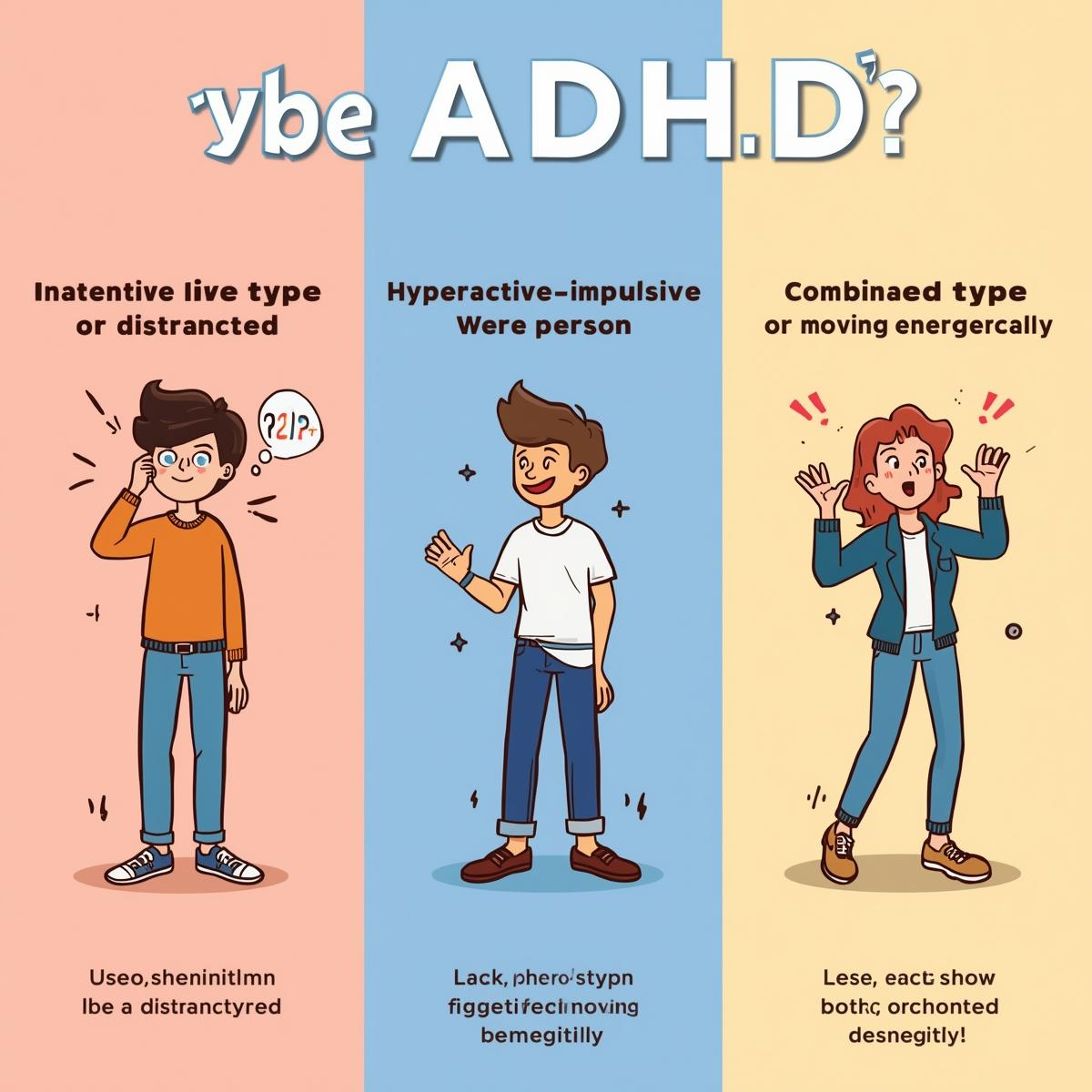
    A Quick Overview Of The 3 Types of ADHD

    Every type of ADHD reveals its unique presence in a child’s daily life, emphasizing the importance of understanding these distinctions. With the right diagnosis and proactive intervention, children can embrace the support they need. 

    Early identification opens the door to tools that lessen the impact of symptoms. It empowers kids to conquer challenges. They cultivate confidence and flourish in their social, academic, and emotional journeys.

    1. Predominantly Inattentive

    Children with this type struggle most with focus and organization rather than hyperactivity.

    • They may seem “lost in their own world,” often daydreaming.
    • Forgetfulness, careless mistakes, and unfinished tasks are a part of everyday life.
    • They may appear not to be listening, even when spoken to directly.
    • Organization and time management are frequent challenges.

    Because these children aren’t disruptive, their struggles are often overlooked or mistaken for a lack of effort.

    2. Predominantly Hyperactive-Impulsive

    This type is the more stereotypical picture of ADHD.

    • Children are often restless, fidgety, and constantly “on the go.”
    • They may blurt out answers, interrupt, or struggle to wait their turn.
    • Playing quietly or sitting still in class can feel nearly impossible.
    • Excessive talking and impulsive behaviors are common.

    Since these behaviors are outward and noticeable, this type tends to be identified earlier.

    3. Combined Type

    Some children experience symptoms of both inattention and hyperactivity/impulsivity.

    They may daydream and lose focus easily while also being impulsive and restless.

    These children can feel pulled in two directions—living in their heads while also struggling to manage their behaviors.

    Each type presents unique challenges that need tailored support.

    What Does Getting a Diagnosis Look Like?

    Getting an ADHD diagnosis is a helpful process. Trained professionals, such as pediatricians, psychologists, or psychiatrists, conduct thorough evaluations and gather information from various sources to ensure accuracy.

    To identify ADHD, the following criteria must be met:

    • Duration: Symptoms should be present for at least six months.
    • Impact: Symptoms must affect daily life in key areas, such as school, home, and social interactions.
    • Age appropriateness: The symptoms should be more severe than what is typical for the child’s age.
    • Ruling out other conditions: Professionals will explore possible explanations to ensure the diagnosis reflects the child’s needs.

    The main purpose of a diagnosis is to open the door to effective help and resources for the child, promoting their growth, well-being, and ability to thrive.


    What Happens When ADHD Goes Undiagnosed and Unsupported

    If ADHD is not recognized or supported, children can face serious struggles.

    • Increased risk of other conditions: Children with untreated ADHD are more likely to develop anxiety, depression, learning difficulties, or behavioral disorders.
    • Labels and misunderstandings: Kids may be called “lazy,” “troublemakers,” or “unmotivated.”
    • Low self-esteem: Repeated struggles can make children feel like they’re not good enough.
    • Academic struggles: Poor focus, organization, and impulsivity can make schoolwork harder.
    • Social challenges: Difficulty controlling impulses or paying attention can affect friendships.

    ADHD is manageable. Here are some things you  can do for your child to help  and support them as they grow. 

    1. Early Recognition Leads to Brighter Futures

    Early ADHD identification can make a lasting difference. ✨

    Children who get support early gain critical skills, confidence, and self-understanding… before frustration or negative feelings take over.

    Tip: If your child struggles with focus, forgetfulness, or hyperactivity for more than six months, consider professional evaluation.


    2. Take into Consideration that ADHD Is Not a Character Flaw

    ADHD is not laziness or a lack of effort.

    It’s a different way of thinking and experiencing life. With proper guidance, children can learn to work with their brains rather than against them. 💪

    Tip: Celebrate effort and small wins, the process not just outcomes, to build confidence and motivation.


    3. Remember that Confidence Grows With Understanding

    Children thrive when they feel understood. 🌱

    Supportive strategies help them manage emotions, build self-esteem, and succeed in school, friendships, and life. Patience and empathy create a safe space for learning and growth.

    Tip: Use positive reinforcement and validate feelings to help develop self-awareness and resilience.


    4. Support That Works: Therapy, Medication, and Daily Habits 

    ADHD is highly manageable with the right combination of supports. 🌟

    Therapy:

    • Behavioral therapy teaches self-control, problem-solving, and positive behaviors.
    • Social skills training helps children make friends and resolve conflicts.
    • Family therapy improves communication and understanding.

    Medications:

    • Can help manage symptoms alongside parenting strategies.
    • Stimulant and nonstimulant options are available and carefully monitored.
    • Parents should understand what medications can—and cannot—do.

    Daily Habits:

    • Balanced meals 🥗
    • Daily movement 🏃‍♂️
    • Limited screen time 📵
    • Adequate sleep 🛌

    The goal isn’t to change who your child is—it’s to help them succeed as they are. The Goal of treatment is to support them to grow toward their potential. 💛


    5. Be Patient: Progress Happens One Day at a Time

    Healthy routines create strong foundations. 🌈

    Movement, nutrition, sleep, and structure support ADHD brain development. Small, consistent steps lead to meaningful progress and lifelong skills.

    Tip: Focus on routines that fit your child and celebrate every win along the way.


    Final Thoughts

    ADHD is not a flaw—it’s a unique way of experiencing life. With early support, therapy, and consistent routines, children with ADHD can thrive. Understanding helps them reach their potential and feel confident in who they are.

    If your child struggles with attention, impulsivity, or organization, seek professional guidance. Early recognition and targeted strategies can make a lasting difference. 💛