Category: Understanding ADHD

  • Brains That Bounce: Understanding ADHD From the Inside Out

    Brains That Bounce: Understanding ADHD From the Inside Out

    Brains That Bounce: Understanding ADHD From the Inside Out

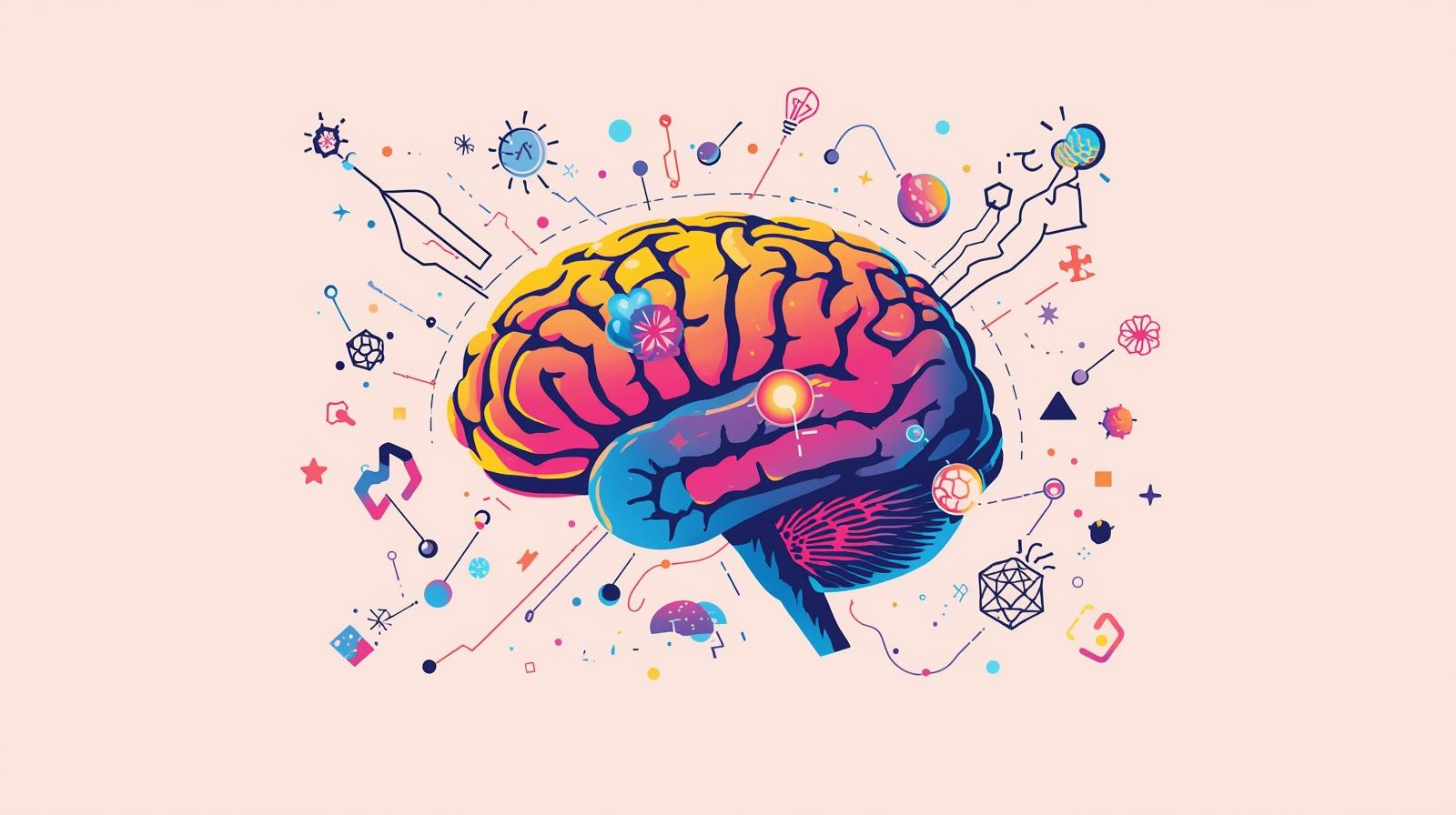
    Learn how the ADHD brain works, from executive functioning and emotional regulation to dopamine and motivation, with practical, compassionate parenting tips.

    How an ADHD Brain is Different

    ADHD is more than just being impulsive or easily distracted; it stems from distinctive differences in how the brain functions. Understanding these differences can help lift the weight of frustration and guilt that many individuals with ADHD carry.

    1. Executive Functioning Struggles: 

    The frontal lobe plays a crucial role in executive functions. In individuals with ADHD, this part of the brain may not work as effectively. This can cause behaviors like starting homework and then wandering off, which are brain-based differences rather than failures.

    2. Emotional Regulation and Memory

     The way the brain processes emotions and memories can create intense feelings and reactions. You might notice that a child can become upset over what seems like a minor issue. They might also forget something exciting they were looking forward to. This emotional roller coaster can be confusing for both the child and their caregivers. Still, it’s crucial to remember that these responses are a natural part of how the child’s brain functions.

    3. Restlessness

     Many children with ADHD experience a heightened need for movement, thanks to the way their motor cortex develops. If your child can’t sit still at dinner or constantly taps their pencil, it’s essential to understand this behavior. It’s not just bad behavior. It’s their brains that need to stay active and engaged.

    4. Underactive Areas of the Brain: 

    Certain areas of the brain linked to ADHD may be less active, leading to a craving for stimulation. This explains why mundane tasks, like brushing teeth or tidying up, can feel overwhelming. At the same time, activities that spark excitement—like playing video games—are much easier to engage in. This craving for stimulation is a core part of life with ADHD.

    The Role of Brain Chemicals

    ADHD affects neurotransmitters such as dopamine, serotonin, and norepinephrine, which influence mood, focus, and stress responses. For example, low dopamine can make it hard to stay motivated. Your child might play video games for hours. Still, they struggle with simple tasks. This highlights how chemical imbalances affect behavior.

    • Dopamine: 

    This key chemical is crucial for motivation. When dopamine levels are low, staying on task can feel nearly impossible. You might notice how your child can play a video game for hours but struggles with a simple worksheet. This isn’t a sign of defiance; it’s a matter of how their brain rewards behavior.

    • Serotonin:

      Lower levels of serotonin can lead to mood swings and difficulties sleeping. It can be heartbreaking to see a child feeling cranky in the evenings or struggling to settle down for bed. These ups and downs can complicate family life, but they don’t define your child’s worth.

    • Norepinephrine: 

    This neurotransmitter plays a crucial role in stress responses. Imbalances can lead to overreactions to routine situations, like feeling overwhelmed by simple tasks like chores. It’s essential to approach these moments with understanding. Show empathy. Acknowledge that these responses are a natural part of the ADHD experience.

    Where ADHD Comes From

    ADHD isn’t something anyone chooses; various factors influence it:

    • Genetics: ADHD often runs in families, suggesting inherited traits.
    • Brain Injuries or Trauma: Physical changes due to injury can also contribute to ADHD. 
    • Environmental Factors: Exposure to harmful substances during pregnancy or early childhood can increase the risk of developing ADHD.

    Hope and Possibility

    The good news about ADHD is that it doesn’t mean someone is broken or lacks potential. With the proper support, individuals with ADHD can learn to manage their differences. Practical strategies and, sometimes, medical treatment help them lead fulfilling lives. Many children and adults with ADHD grow to be creative. They become passionate and resilient individuals. They view and engage with the world in uniquely meaningful ways. This message of hope and possibility is a powerful reminder. ADHD is just one aspect of a person. It is not their entire identity.

    If you are parenting a child with ADHD, remember this. If you are living with it yourself, remember this. These differences are not flaws. Your child may often forget their shoes. They may feel overwhelmed by unexpected changes. They might fidget during meals, but none of this diminishes their capabilities or value.

    The ADHD brain can show challenges. Still, it is also full of curiosity, excitement, and unique strengths. These are qualities that the world greatly needs. These strengths, like creativity, passion, and resilience, are often overshadowed by the challenges they face. Recognizing and nurturing these strengths can lead to a more positive and empowering experience for individuals with ADHD.

    Parenting Tips

    Raising a child with ADHD can sometimes feel overwhelming, but implementing small, consistent strategies can lead to meaningful improvements. Here are some empathetic approaches to try:

    Break Tasks into Smaller Steps: 

    Instead of saying something general like “clean your room,” give specific, manageable tasks. You might say, “Can you pick up your clothes first?” followed by, “”ow, let’s’ ut your toys in the basket.”” Clear and simple instructions help your child feel more capable and less overwhelmed.

    Encourage Movement:

     Support your child’s’ ned for movement to help them focus. Allow them to stand while doing homework. Use a fidget toy to keep their hands occupied. Incorporate short jumping breaks to release energy. Recognizing their need to move can make learning more effective.

    Leverage Their Interests:

     If your child is passionate about something—like dinosaurs, art, or video games—use that interest to engage them in learning. Incorporating their passions into daily activities can strengthen connections and foster a love of learning.

    Practice Patience:

    Progress with ADHD can be non-linear and tricky. Celebrate the small victories along the way, and remind yourself that “messy” doesn’t mean ” failure.”” Growth happens at different paces for everyone, and that’s perfectly okay. This emphasis on patience and celebration can encourage and motivate the audience.

    Final Thoughts 

    Understand ADHD with empathy. This approach helps your child thrive. You can help them navigate their challenges with confidence and love. Remember, you are not alone on this journey, and each small step forward is something to celebrate. Progress in ADHD is rarely neat or linear. Notice the small wins—like remembering to put on one shoe before getting distracted. Those little victories add up, and the support of a community can make the journey more bearable.
    Disclaimer: This blog is for informational purposes only and is not a substitute for professional medical advice. Please consult a qualified healthcare provider for guidance on ADHD.

  • 10 Executive Functioning Skills That Make ADHD Feel So Hard (And How to Help

    10 Executive Functioning Skills That Make ADHD Feel So Hard (And How to Help

    Simple tasks involving executive functioning include working memory, mental flexibility, and task initiation. They also involve task completion, staying focused, and emotional regulation. Other tasks are organization, planning, and time management. To help your loved ones effectively, find out which of these areas is most challenging for them. This focus helps you tailor strategies that directly tackle their needs, making your support more impactful. 

    Simply put, executive functioning can be a constant source of struggle and frustration. Recognizing these challenges helps parents and caregivers feel more compassionate. They also feel understood. This fosters a sense of connection and reduces feelings of frustration or helplessness.

    Here’s a closer look at some typical executive functioning daily challenges faced by people with ADHD. There are simple tips available. More actionable items will come in future articles. This approach aims to support and reassure you. Effective strategies are within reach. This helps you feel more confident in managing these challenges. 

    Working Memory

    Memory… just like so much of the brain, we are still learning about memory. However, the current theory is that working memory is the bridge between learning and long-term memory. The working memory is impaired in the ADHD brain, and this connection between knowledge and remembering doesn’t always happen. You probably know the classic story. You tell your child to put away the dishes, but you find them still there hours later. There is a chance that they honestly forgot, or rather, that they never knew to remember in the first place.

    • Simple Tip: Give them clear, specific directions and have them repeat them back. This approach helps build their confidence and improves their memory and understanding over time, making your support more effective.

    Self-Control/Impulsivity

    Self-control is knowing what to do or say, and when to do it. It is helpful to know what is essential and to resist unhelpful impulses. This helps a person take their time. It allows them to make a plan before acting. It encourages cooperation and teamwork. It also reinforces the importance of carrying through on Consequences. People with ADHD tend to struggle with self-control/impulsivity. They are likely to follow their whim and do what seems like a good idea at the time.

    • Tip: Teach them to take 5 minutes before taking any action on their thoughts 

    Mental flexibility

    Being capable of changing the way we think about the same thing or even our course of action. Helps develop new plans, stay calm when changes occur, and solve problems without becoming upset. All of which people with ADHD may struggle with accepting, as shown by an increase in behavioral issues. It can be hard for people with ADHD to change their course of action. They often express it, and if not externally, they may feel internal turmoil. 

    • Tip: Give a clear time warning before changing activities. This helps your loved ones prepare mentally for transitions, supporting their ability to adapt and reducing frustration during change. 

    Starting tasks (initiation)

    The ability to start a task or stop one to begin a new one is often misunderstood. Recognizing this can foster greater empathy and patience, helping parents feel more confident and reassured in their support. 

    • Tip: Set a time for 5 minutes to begin tasks. If nothing comes after 5 minutes, take a break and try again later. 

    Completing task

    Finishing what has been started takes persistence, even when boredom, tiredness, frustration, or a break happens. Unfinished projects are familiar with ADHD. This may also be goal-oriented persistence. It involves determining how to achieve your goal. Sticking with it through the hard times is essential. You must ignore what doesn’t add to it. 

    • Tip: Deadlines and chunking tasks into smaller bits

    Staying focused and ATTENTION. 

    Staying focused and paying attention to tasks is a massive part of attention. Another part is avoiding distractions and maintaining sustained effort and energy. ADHD isn’t just about being easily distracted or struggling to focus. While many people with ADHD do indeed have trouble keeping sustained attention on uninteresting tasks, others experience something called hyperfocus.

    This involves becoming deeply absorbed in one highly engaging activity. It could be a project or an interest, and this could last for hours on end. During this period, everything else is excluded. This seemingly contradictory push and pull between easily distracted attention and intense, prolonged focus creates a significant challenge.

    It is incredibly hard for people with ADHD to regulate their attention in a balanced, adaptable way. They need to suit the demands of different situations.

    • TIP: Set up Alarms and Timers for working on projects

     Emotional regulation 

    Strong emotions can impair performance because they take over the brain. Emotional self-control helps regulate emotions and manage thoughts and behaviors.

    • Tip: Model appropriate coping strategies, for example taking a break when needed

    Organization is the skill of placing items in appropriate, easy-to-find locations. This leads to a near environment where everything has a home. People with ADHD may know where something is, but that knowledge is often unique to them. Their chaotic disorganization can be understood only by them. People with ADHD are known to be messy and disorganized and to lose things often. 

    • Tip: BASKETS!!!

    Planning ability requires thinking, order, and a clear set of steps to reach a goal. This includes prioritizing what must be done first and where to focus.

    1. Tips: Talk with a buddy and write it out on a calendar

    Time management

    1. Helps us keep track of time and meet deadlines. Takes planning time wisely and accurately estimates how long a task will take. People with ADHD experience time blindness. They have difficulty estimating how long tasks will take. They may overestimate or underestimate time. Becoming time-blind and forgetting to track time are also common issues.
    2. Tip: Reminders on your self phone

    Final Thoughts

    Executive functioning challenges can make everyday life feel harder than it should. This is true for children with ADHD. It is also true for the parents who love them. When tasks like starting homework don’t go smoothly, frustration can arise effortlessly. The same happens with managing emotions. Staying organized can become a challenge. Keeping track of time might not go smoothly either. It’s easy to feel overwhelmed in these situations. These moments make it simple to feel frustrated. You might also feel discouraged or even helpless.

    But these struggles are not a reflection of poor parenting, lack of effort, or bad behavior. They are brain-based differences. We understand how executive functioning works. We know where it breaks down in ADHD. This understanding helps us to shift from reacting to behaviors. Instead, we can focus on supporting skills.

    You don’t need to fix everything at once. Focusing on one executive functioning skill at a time can help parents feel hopeful. Using simple, consistent strategies empowers parents. They will know that progress is achievable over time.

    Most importantly, compassion matters. When children feel understood instead of criticized, they are more likely to build confidence, resilience, and trust. Parents who feel informed and supported are better equipped to guide their child through challenges. They can do this with patience and hope.

    You are not alone on this journey. With understanding, practical tools, and ongoing support, executive functioning challenges can become more manageable—and growth is always possible. 💛


    Disclaimer: This blog is for informational purposes only and is not a substitute for professional medical advice. Please consult a qualified healthcare provider for guidance on ADHD.

  • ADHD and Big Feelings: How to Support Your Child Through Emotional Ups and Downs

    ADHD and Big Feelings: How to Support Your Child Through Emotional Ups and Downs

    ADHD and Big Feelings: How to Support Your Child Through Emotional Ups and Downs

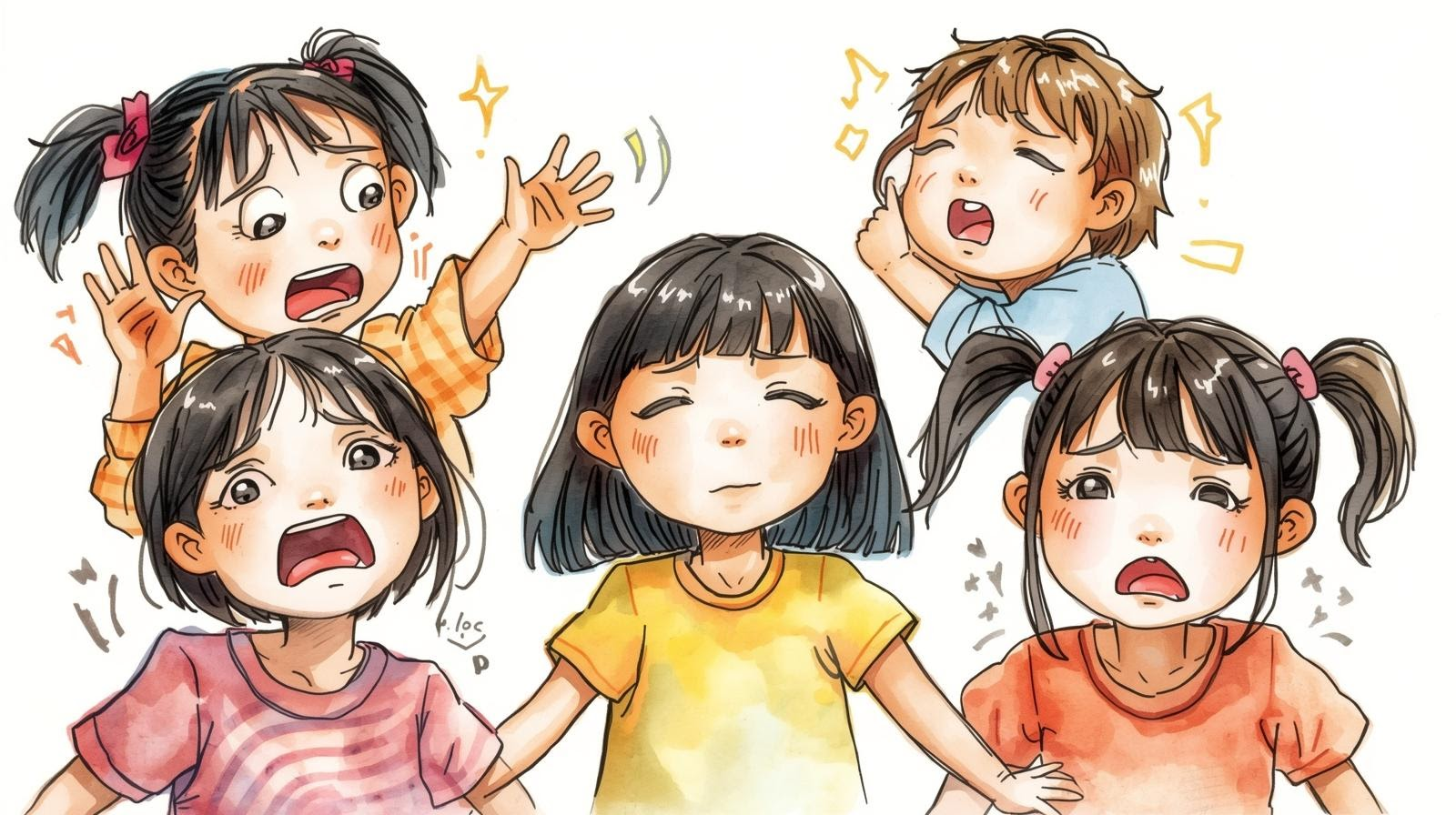
    If your child has ADHD, you’ve likely experienced the intensity of their emotions. One moment they’re joyful, the next they’re overwhelmed, angry, or in tears. These moments can leave you feeling bewildered or even powerless. However, remember that you’re not alone in this journey.

     Children with ADHD often find it hard to manage their feelings, which can lead to mood swings and outbursts. Recognizing this helps parents approach their child’s reactions with empathy and patience, fostering a supportive environment.

    The good news is that these emotional challenges are not misbehavior. They’re indicators that their brain is still learning to handle intense emotions. With your support, they can develop healthy coping strategies.


    💡 Why Does ADHD Cause Mood Swings?

    People with ADHD are not trying to give you a hard time—they are having a hard time.

    Here’s what’s happening in their brain:

    • The parts of the brain that support self-control and calming are still developing.
    • ADHD makes it harder for kids to pause before reacting, so they may act on their feelings quickly and loudly.
    • They may experience emotions more intensely, for more extended periods, and more rapidly than other children.
    • After getting upset, it’s harder for them to calm down, let go of the feeling, and move on.
    • They may overthink or feel ashamed after a big emotional moment.

    These struggles can show up as:

    • Crying easily
    • Yelling, stomping, or jumping up and down
    • Getting angry when told “no.”
    • Pushing, hitting, or invading personal space
    • Shutting down when feeling rejected or criticized

    These are not bad choices. They are signs that a person is overwhelmed and doesn’t yet have the skills to handle their emotions.

    Remember: Tantrums are not manipulation—they’re a sign that your child has lost control and needs your help to get it back.


    ✅ What Can Parents Do to Help?

    You can help your child learn to understand and manage their big feelings. Here’s how:


    1. Stay Calm First

    Before you respond, take a deep breath. Your child needs your calm energy, not more stress. Try:

    • Taking a short pause before speaking
    • Practicing deep breathing
    • Reminding yourself: “My child is not doing this on purpose.”

    2. Teach Words for Feelings

    Help your child name their emotions: “You look frustrated,” or “It seems like you’re really sad.”

    When kids can name how they feel, they can start to talk about it instead of acting out.


    Listening and validating your child’s feelings, even if they don’t make sense to you, can help you feel more empathetic and connected with their experiences. 

    Even if the reason for their feelings doesn’t make sense to you, it’s real to them. Say things like:

    • “I see you’re upset.”
    • “It’s okay to feel mad, but it’s not okay to hit.”
    • “Let’s talk about what happened.”

    Listening builds trust—and helps them feel safe.


    4. Create a Safe Plan for Big Emotions

    Set clear rules for what’s okay and what’s not when the Big Feels happen. For example:

    Can do:

    • Jump up and down
    • Beat a pillow
    • Ask for a hug
    • Go to a quiet space

    Can’t do:

    • Hit
    • Bite
    • Pull hair
    • Call names
    • Spit or throw things.
    • Your child can use A special Code word when they feel like they’re about to explode.

    Calming activities like deep breathing, squeezing a stress ball, or listening to calming music can help children regulate their emotions.

    Some kids need physical or sensory tools to help calm down. Try:

    • Chewing gum
    • Squeezing a stress ball
    • Deep breathing or meditation
    • Taking a warm bath
    • Cold water on the face or hands
    • Foot massage
    • Drawing or writing
    • Listening to calm music
    • Doing a “body scan” to relax muscles
    • Thinking of 3 things they’re grateful for

    After your child has calmed down, you can discuss what happened. This can help them understand their feelings. It also helps them develop coping strategies for future situations. This step supports emotional learning and helps them build self-awareness.

    Once your child has calmed down, talk about what happened:

    • What made them upset?
    • What could help next time?
    • How can they let out feelings in a safe way?

    This helps them learn from the moment and feel supported—not shamed.


    🧠 Therapy and Support Can Help

    Sometimes children need extra support to manage their emotions.

    Therapists can teach:

    • Coping skills
    • Self-soothing techniques
    • Ways to understand feelings
    • Tools for managing anger and stress

    💬 Final Thoughts

    Your child’s emotions may feel big, fast, and hard to handle, but they’re not trying to be difficult. Their brain just needs more time and practice to learn how to manage those feelings.

    With love, patience, and clear tools, your child can:

    • Learn to calm themselves down
    • Express feelings with words.
    • Build confidence in handling big emotions.s

    And remember: you don’t have to be perfect. You just have to be present.

    You’re doing a great job. Keep going. You are the best support your child can have. ❤️