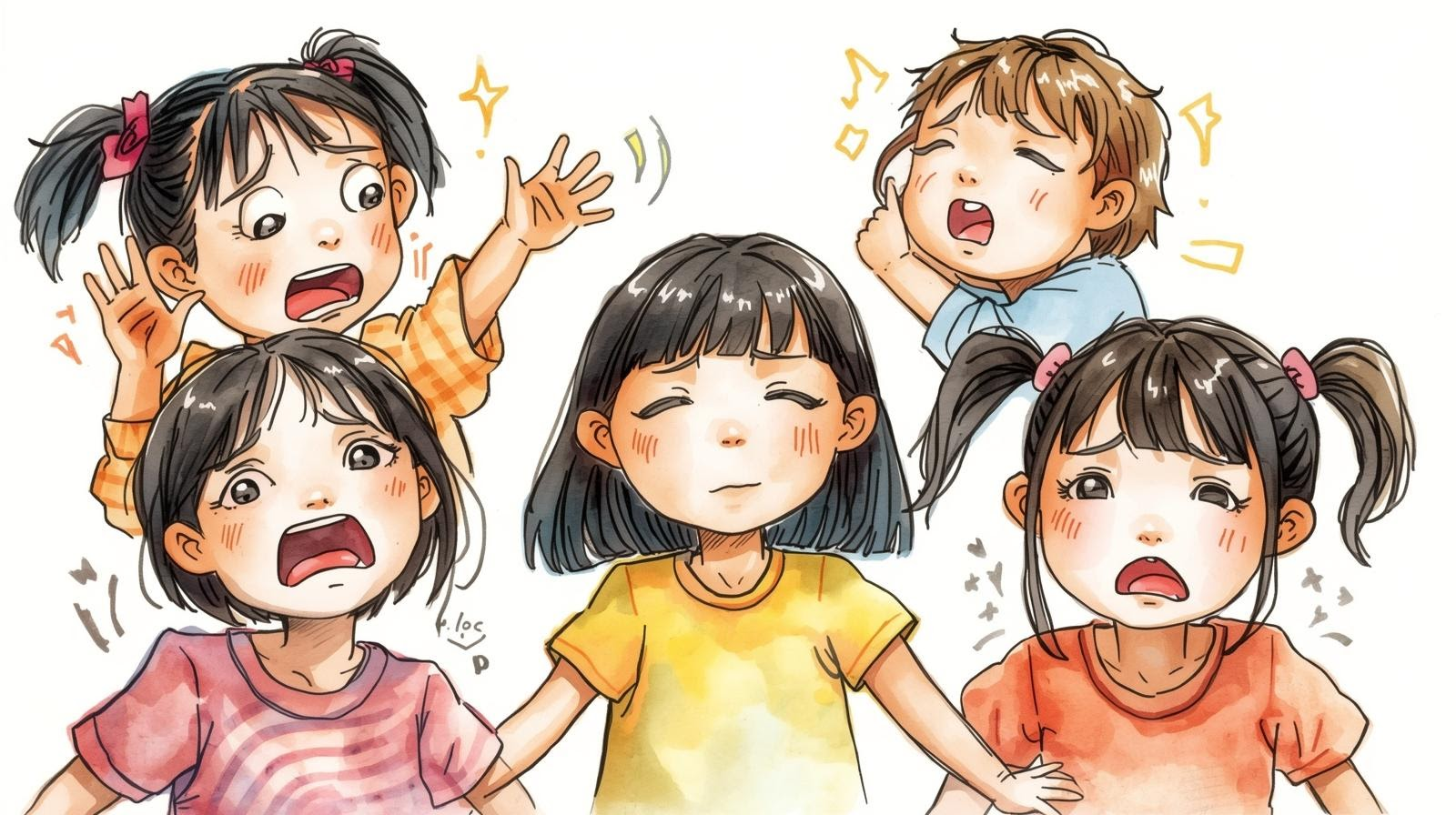
ADHD and Big Feelings: How to Support Your Child Through Emotional Ups and Downs
Kids with ADHD feel emotions deeply and intensely. Learn why big feelings happen. Discover how calm, supportive parenting strategies can help your child feel understood, regulate emotions, and grow confidence through even the toughest moments.
If your child has ADHD, you’ve likely experienced the intensity of their emotions. One moment they’re joyful, the next they’re overwhelmed, angry, or in tears. These moments can leave you feeling bewildered or even powerless. However, remember that you’re not alone in this journey.
Children with ADHD often find it hard to manage their feelings, which can lead to mood swings and outbursts. Recognizing this helps parents approach their child’s reactions with empathy and patience, fostering a supportive environment.
The good news is that these emotional challenges are not misbehavior. They’re indicators that their brain is still learning to handle intense emotions. With your support, they can develop healthy coping strategies.
💡 Why Does ADHD Cause Mood Swings?
People with ADHD are not trying to give you a hard time—they are having a hard time.
Here’s what’s happening in their brain:
- The parts of the brain that support self-control and calming are still developing.
- ADHD makes it harder for kids to pause before reacting, so they may act on their feelings quickly and loudly.
- They may experience emotions more intensely, for more extended periods, and more rapidly than other children.
- After getting upset, it’s harder for them to calm down, let go of the feeling, and move on.
- They may overthink or feel ashamed after a big emotional moment.
These struggles can show up as:
- Crying easily
- Yelling, stomping, or jumping up and down
- Getting angry when told “no.”
- Pushing, hitting, or invading personal space
- Shutting down when feeling rejected or criticized
These are not bad choices. They are signs that a person is overwhelmed and doesn’t yet have the skills to handle their emotions.
Remember: Tantrums are not manipulation—they’re a sign that your child has lost control and needs your help to get it back.
✅ What Can Parents Do to Help?
You can help your child learn to understand and manage their big feelings. Here’s how:
1. Stay Calm First
Before you respond, take a deep breath. Your child needs your calm energy, not more stress. Try:
- Taking a short pause before speaking
- Practicing deep breathing
- Reminding yourself: “My child is not doing this on purpose.”
2. Teach Words for Feelings
Help your child name their emotions: “You look frustrated,” or “It seems like you’re really sad.”
When kids can name how they feel, they can start to talk about it instead of acting out.
Listening and validating your child’s feelings, even if they don’t make sense to you, can help you feel more empathetic and connected with their experiences.
Even if the reason for their feelings doesn’t make sense to you, it’s real to them. Say things like:
- “I see you’re upset.”
- “It’s okay to feel mad, but it’s not okay to hit.”
- “Let’s talk about what happened.”
Listening builds trust—and helps them feel safe.
4. Create a Safe Plan for Big Emotions
Set clear rules for what’s okay and what’s not when the Big Feels happen. For example:
Can do:
- Jump up and down
- Beat a pillow
- Ask for a hug
- Go to a quiet space
Can’t do:
- Hit
- Bite
- Pull hair
- Call names
- Spit or throw things.
- Your child can use A special Code word when they feel like they’re about to explode.
Calming activities like deep breathing, squeezing a stress ball, or listening to calming music can help children regulate their emotions.
Experiment with different options to find what works best for your child.
Some kids need physical or sensory tools to help calm down. Try:
- Chewing gum
- Squeezing a stress ball
- Deep breathing or meditation
- Taking a warm bath
- Cold water on the face or hands
- Foot massage
- Drawing or writing
- Listening to calm music
- Doing a “body scan” to relax muscles
- Thinking of 3 things they’re grateful for
After your child has calmed down, you can discuss what happened. This can help them understand their feelings. It also helps them develop coping strategies for future situations. This step supports emotional learning and helps them build self-awareness.
Once your child has calmed down, talk about what happened:
- What made them upset?
- What could help next time?
- How can they let out feelings in a safe way?
This helps them learn from the moment and feel supported—not shamed.
🧠 Therapy and Support Can Help
Sometimes children need extra support to manage their emotions.
Therapists can teach:
- Coping skills
- Self-soothing techniques
- Ways to understand feelings
- Tools for managing anger and stress
💬 Final Thoughts
Your child’s emotions may feel big, fast, and hard to handle, but they’re not trying to be difficult. Their brain just needs more time and practice to learn how to manage those feelings.
With love, patience, and clear tools, your child can:
- Learn to calm themselves down
- Express feelings with words.
- Build confidence in handling big emotions.s
And remember: you don’t have to be perfect. You just have to be present.
You’re doing a great job. Keep going. You are the best support your child can have. ❤️